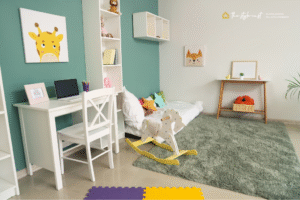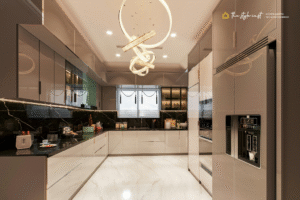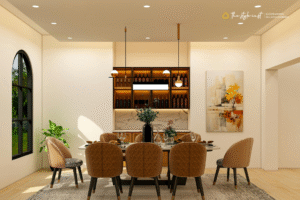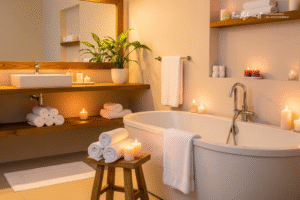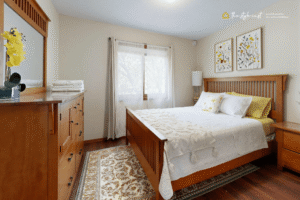
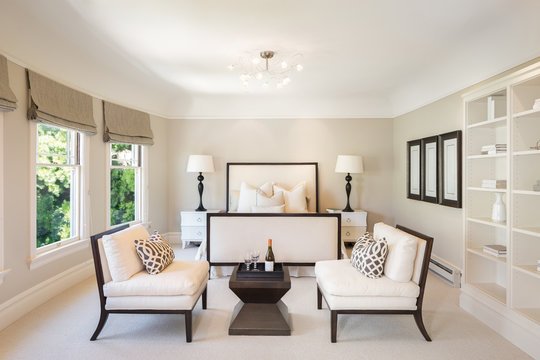
Buying a place in Melbourne isn’t just about finding four walls and a roof anymore—it’s about chasing a whole lifestyle. Whether it’s a sun-filled apartment in Southbank, a period gem in Hawthorn, or a family home in Preston, the way a property feels the moment someone steps inside can dramatically influence its price and days on market.
That’s where property staging in Melbourne becomes a strategic advantage, not a cosmetic upgrade.
Over the last five years, Melbourne has consistently shown a strong trend: staged homes attract more buyer interest and sell significantly faster. Buyers want move-in-ready spaces, emotional connection, and a curated sense of luxury and the right staging elevates every corner of your home to communicate exactly that.
This guide tells you what you actually need to know if you’re thinking about premium property staging in Melbourne in 2026. We’ll cover costs, what you get back, the latest trends in different suburbs, how to pick the right furniture, and even how styling messes with buyer psychology. All of it, straight up.
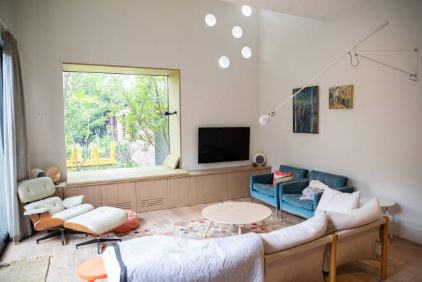
1. What Is Property Staging And Why Is Melbourne So Perfect for It?
Property staging is the process of professionally furnishing and styling a home before it goes on the market. Instead of leaving rooms empty or relying on whatever furniture happens to be there, a stylist creates a cohesive, neutral, aspirational look that appeals to the widest pool of buyers.
In a style-conscious city like Melbourne, property staging fits naturally into the way people already think about design, interiors, and lifestyle.
Melbourne buyers:
- Follow interior trends
- Save inspiration from Pinterest and Instagram
- Expect homes to look “put together,” especially in photos
- React instantly to how a space feels, not just what it measures
Because of that, property stylist Melbourne sellers invest in isn’t about “dressing up” a home for show. It’s about aligning the property with what today’s buyers actually want: calm, beautiful, functional spaces that feel easy to live in.
2. Why Staging Makes Such a Big Difference in Melbourne’s 2025 Market
Over the last few years, several big shifts have made staging more important:
2.1 Online-first buyer behaviour
Most buyers start on:
- realestate.com.au
- Domain
- Social media previews
They shortlist properties based almost entirely on photos and floorplans.
Homes that are professionally styled:
- Photograph better
- Stand out in search results
- Get more clicks, saves, and enquiries
- Attract more people to inspections
Unstaged or poorly furnished homes fall behind before anyone even walks through the door.
2.2 Emotional buying in a fast-moving market
Even in a cooling market, the homes that feel right still move quickly.
People don’t sit at an open home calculating square metre values in their heads. They’re thinking:
- This living room feels so comfortable.
- I love this bedroom; I could sleep here tonight.
- The kids would love this backyard.
Staging builds that emotional “yes” into every room.
2.3 Competitive listings across multiple suburbs
From Hawthorn to Kew, South Yarra to Richmond, Preston to Coburg, and new estates in Fraser Rise or Truganina many homes compete for the same buyer pool.
Staging helps your property:
- Look more premium
- Feel more memorable
- Stand apart from similar listings
3. What’s Included in Premium Property Staging in Melbourne?
True Melbourne property styling is more than adding a few cushions.
It’s a full design service that brings furniture, art, lighting, and décor into harmony with your home’s architecture and target buyer.
Here’s what’s usually involved:
3.1 Furniture hire and layout
Stylists bring in:
- Sofas, armchairs, coffee tables
- Dining tables and chairs
- Beds, bedside tables, consoles
- Sideboards, stools, benches
They choose:
- The right scale (especially for terraces and apartments)
- The right style (contemporary, classic, minimal, coastal, etc.)
- The right layout to highlight flow and space
For example:
- A Southbank apartment might get slimline furniture and glass tops to keep the view the hero.
- A Kew period home might get warm timber pieces and soft, curved sofas to suit heritage details.
3.2 Art, mirrors and statement pieces
Large artworks and mirrors:
- Anchor key walls
- Bounce light around
- Add mood and personality without overpowering the space
Stylists select art that feels current, neutral, and aligned with your property price point.
3.3 Soft furnishings and textiles
Textiles do a huge amount of work:
- Rugs ground furniture and define zones
- Cushions and throws add colour and softness
- Linen or cotton bedding makes bedrooms feel like a boutique hotel
Without these, rooms can look cold and flat, especially in professional photos.
3.4 Styling for kitchens and bathrooms
Kitchens and bathrooms don’t need heavy decoration; they need clarity and cleanliness.
Stylists often:
- Clear benches of clutter
- Add a few high-end-looking accessories
- Use greenery and textures to soften hard surfaces
3.5 Outdoor and balcony staging
Outdoor spaces really matter in Melbourne’s lifestyle culture.
Depending on your property, staging may include:
- Small bistro settings for balconies in Docklands or Southbank
- Dining and lounge settings for courtyards in Fitzroy or Carlton
- Family entertainment areas for larger backyards in Glen Iris, Preston, Truganina or Doncaster
Well-styled outdoor spaces add “emotional square metres” to your listing.
4. Full vs Partial Property Staging: Which Is Right for You?
A big part of property staging Melbourne sellers ask about is: “Do we have to stage the entire home?”
The answer is no. There are two main models.
4.1 Full Property Staging
Full staging means the entire property is empty, and the stylist furnishes and styles every key room.
Best for:
- Brand new builds
- Vacant investment properties
- Recently renovated homes with no furniture
- Properties targeting a premium sale price
Benefits:
- Complete control over the look and flow
- Every photo looks consistent and polished
- Maximum impact at opens and auctions
4.2 Partial Property Staging
Partial staging combines the owner’s furniture with carefully selected staging furniture and décor.
Best for:
- Owner-occupied homes
- Sellers working within a tighter budget
- Homes that have good structure but need a style refresh
This is very common in suburbs like Preston, Coburg, Deanside, Fraser Rise, Tarneit and many family pockets across the north and west.
Stylists might:
- Replace only the sofa and coffee table
- Swap out heavy dining furniture for something lighter
- Add rugs, art, lamps, and accessories
- Remove excess items so rooms breathe
Partial staging still delivers strong results, especially when focused on high-impact rooms like the living area, master bedroom, kitchen, and outdoor space.
5. How Property Staging Works Step-by-Step (Typical Melbourne Process)
Every staging company has its own style, but the overall process is similar.
Step 1 – Initial consultation
A stylist visits the property (or reviews photos/floorplans):
- Assesses layout, light, condition
- Considers location and buyer profile
- Recommends full or partial staging
- Provides a quote and staging plan
Step 2 – Proposal and booking
You choose:
- Which rooms to stage
- The level of service (full, partial, key rooms only)
- Timing based on photography and campaign dates
Step 3 – Install day
The team:
- Delivers all furniture and styling pieces
- Places every item with a clear design intention
- Checks that flow and scale feel right
- Makes sure the home is camera-ready
Step 4 – Photography and campaign
Your agent:
- Schedules professional photography and video
- Launches the online listing
- Conducts open homes and private inspections
The styling remains in place for the duration of the campaign (commonly 4–6 weeks, sometimes longer if needed).
Step 5 – Removal
Once the property is sold or the campaign ends:
- The staging team removes furniture and décor
- The home is returned to its previous condition (or left empty if vacant)
Book Free Consultation to get more details
6. Suburbs Where Property Staging Has the Biggest Impact
Staging can add value anywhere, but certain types of suburbs see especially strong results.
6.1 Inner-city and fringe suburbs
- South Yarra
- Richmond
- Fitzroy
- Collingwood
- Carlton
Here, buyers are very design-aware. They notice the difference between casually presented homes and professionally styled ones.
6.2 Eastern prestige belts
- Hawthorn
- Kew
- Camberwell
- Balwyn
- Surrey Hills
High sale prices and competitive auctions mean buyers expect properties to feel considered and premium. House styling Melbourne services are essentially standard practice in these pockets.
6.3 Northern & western growth areas
- Preston
- Coburg
- Truganina
- Deanside
- Fraser Rise
- Tarneit
These areas have a mix of new builds, townhouses, and family homes. Staging helps new or nearly new properties feel more “lived in” and inviting, and helps older homes compete with newer stock.
6.4 Waterfront and skyline homes
- Docklands
- Southbank
- Port Melbourne
Here, the goal is to frame the view and lifestyle. Staging focuses on:
- Low-profile furniture that doesn’t block windows
- Simple, elegant lines
- Light, reflective textures
7. How Property Staging Influences Buyer Psychology
Buyers rarely walk through and say, “The scale of that sofa works well with the room’s proportions.”
Instead, their brain is doing something like this in the background:
- “This feels big enough.”
- “I like the colour palette.”
- “This layout makes sense.”
- “I could work easily from this space.”
Staging intentionally shapes that response.
Key psychological benefits:
- Reduces buyer uncertainty: They don’t have to imagine where the couch goes or whether a queen bed fits.
- Creates calm and order: Clear surfaces, tidy rooms, and harmonious styling allow buyers to relax.
- Builds aspiration: The home looks like a place they’d be proud to live in and show others.
- Keeps them in the property longer: The longer they stay, the stronger the emotional attachment tends to be.
8. What Does Property Staging Cost in Melbourne?
Pricing varies by company, inventory quality, property size, and number of rooms staged, but typical ranges look like:
- 1-bedroom apartment: around $1,500 – $2,500
- 2-bedroom apartment: around $2,500 – $3,500
- 3-bedroom home/townhouse: around $3,500 – $5,500
- 4-bedroom + family home: from around $5,500 – $8,500 or more
- Large, luxury or architect-designed homes: can exceed $8,500–$12,000+, depending on the level of furniture and artwork required
It’s useful to think of staging less as a “nice expense” and more as core marketing spend for the sale. If a few thousand dollars in staging helps secure a stronger sale price, a quicker campaign, or more bidders on auction day, it often pays for itself multiple times over.
9. Common Mistakes Sellers Make When They Don’t Use Professional Staging
Even well-loved homes can unintentionally turn buyers off. Some of the most common issues seen across Melbourne include:
- Too much furniture – rooms look small
- Heavy, dark pieces – space feels older and more closed in
- Personal photos and clutter – buyers feel like visitors in your life, not potential owners of their future home
- Strong colours or busy patterns – distract from the structure and light of the room
- Neglected outdoor areas – missed chance to sell a lifestyle
- Mismatched furniture styles – no visual cohesion
Professional real estate home staging Melbourne stylists quietly fix all of these before the photographer arrives.
10. How to Choose the Right Property Staging Partner in Melbourne
Not all staging services are equal. Some specialise in volume work; others in boutique, high-end styling. When comparing:
10.1 Look at their portfolio
Ask to see:
- Before-and-after images
- Examples of homes similar to yours
- Work in your suburb or price range
You want to see consistency and taste, not just furniture in rooms.
10.2 Ask about inventory quality
Good staging uses:
- Modern, clean, well-maintained furniture
- Neutral but current décor
- Quality rugs, bedding, and art
Poor-quality pieces can actually make a property feel cheaper.
10.3 Check what’s included
Clarify:
- How many rooms are staged
- How long the hire period runs
- Whether small tweaks are possible after install
- What happens if the campaign extends
10.4 Understand their style range
The best Melbourne property styling services can adapt to:
- Inner-city contemporary
- Classic eastern suburbs character homes
- Family-friendly, relaxed styling in growth corridors
You shouldn’t feel like every property they do looks identical.
11. When Is the Best Time to Stage Your Property?
There’s no “wrong” time to stage, but it’s especially powerful when:
- You’re selling in competitive season (late summer to autumn, or spring)
- Your property is empty and doesn’t photograph well without furniture
- You’re targeting a premium price bracket
- There are several similar listings nearby
In quieter months, staging can be the thing that keeps your home top-of-mind when buyers have fewer open homes to attend.
12. How Property Staging Supports Faster Sales and Higher Offers
To pull everything together:
- Staging makes your photos better – more clicks, more views
- Better presentation leads to more inspections
- More inspections lead to more potential buyers
- More buyers lead to stronger competition and offers
On top of that, staged homes:
- Tend to feel “ready to move into”
- Reduce the amount of “work” buyers feel they need to do
- Leave fewer objections on the table at decision time
In a city like Melbourne, where design is part of the culture, property staging turns your home into something more than a listing. It becomes a lifestyle offering and that’s exactly what buyers are willing to pay a premium for.
Ready to sell the “lifestyle,” not just the house? Book your Melbourne home staging consult today.