Putting up the property for sale is not merely a matter of advertising it online—the heart of the matter is showcasing it in such a manner that it wins over buyers both emotionally and visually. That is the reason why Home Staging for Selling keeps on gaining importance in the real estate market which is nowadays quite competitive. Properly performed Home Staging, Staging for Sale, and Property Staging will not only lead to a quicker sale but also to higher price negotiation. Nevertheless, there are a lot of sellers who, without realizing, commit errors that cost them dearly in terms of buyer interest and home value perception.
Why Home Staging for Selling Is Essential
Before diving into common errors or sophisticated methods, it is vital to grasp the reason why Home Staging for Selling has become a necessity in the current cut-throat real estate industry. Home Staging for Selling might be mistaken for a decorative scheme or personal styling, but it is really a tactical marketing tool that is meant to enable a property to sell quicker and for more money.
The main goal of Property Staging is to exhibit a house in such a way that the greatest number of potential purchasers are attracted to it, regardless of their personal preference or way of living. In the world of real estate, the saying “first impressions are the best” is even more applicable now than ever. According to surveys, most buyers will already form an opinion about a property within the first few seconds of seeing it, whether online or in person.
Staging for Sale ensures that your property is not just another one, but the one that instantly leaves an emotional imprint on the buyer, which is a seller’s desired effect—beyond empathy, even—comfort and excitement of living there. Poorly Staged houses might suffer to the same extent as their locating or renovation conditions would be good, as they just don’t stand out in the listing competition. Home Staging for Selling is highly effective for one reason in particular: it aids the buyers in picturing themselves in the apartment. When the rooms are empty or the interiors are overcrowded, it is hard for the potential buyers to understand the right size, usability, and flow of the space.
Professional Home Staging helps designers create a dream home by infusing it with a sense of style through selective furniture arrangement, neutral styling, and smart decor, so that living there is the lifestyle buyers dream of. This imagination is frequently the turning point that changes the curiosity into an offer
Key Benefits of Home Staging for Selling
Creates a Strong First Impression
Once a professionally staged house, it greets its visitors with full-blown attention or, to say the least, through the listing pictures. Home Staging for Selling features a property’s benefits while covering its drawbacks, thus the house is presented as clean, modern, and ready for occupation. A powerful first impact not only works positively on the buyer’s mind but also lengthens the inspection period and the number of viewings.
Helps Buyers Visualize Living in the Home
Effective Property Staging takes away the personal things and distractions, and buyers are able to envision their own furniture, habits, and lifestyle in the house. When the buyers get a strong emotional connection with a property, they are much more likely to put in an offer. Home Staging for Selling builds that emotional bridge between a house and a prospective home.
Makes Spaces Look Larger and Brighter
The art of strategic home staging involves making the most of the natural light, improving the flow of the layout, and creating a great impression of space. Proper furniture dimensions, neutral shades, and less décor are the means through which Staging for Sale transforms rooms into being more spacious, brightly lit, and usable—something that every contemporary buyer considers very seriously.
Increases Buyer Interest and Competition
Professional Home Staging for Selling is a common practice that makes a house more appealing to potential buyers and thus leads to more inquiries, more viewings, and more serious buyers. The entire process of buyer interest going up usually results in competition, which could lead to sellers receiving multiple offers and having a better position during negotiation.
Supports a Higher Asking Price
A house that is attractive, well-maintained, and artistically staged is perceived by the buyers as more valuable. Home Staging for Selling raises the price of the property, since it is seen as luxurious, even if it is in a competitive or mid-range market. Generally, the buyers are ready to shell out extra money for a house that seems to be awaiting their arrival.
In the end, Home Staging for Selling is still the most powerful weapon among the sellers in terms of manipulating buyer’s perception, reducing the time the property is on the market, and getting the highest return on investment. In the absence of expert Property Staging or careful Staging for Sale, a luxurious house may lose its attraction, receive less offers, and sell at a lower price than its real worth. In a situation where there are a lot of options for buyers, Home Staging for Selling is now a must instead of being just a choice.
Mistake 1: Skipping Home Staging Completely
A complete omission of Home Staging for Selling is one of the most destructive errors that sellers commit. The majority of sellers think that the people who buy the house will see the good side of it, no matter how it looks during viewings or in the photographs used for marketing. However, in most cases, buyers find it hard to see the potential in a house that is not well represented. A house without professional Home Staging for Selling often does not impress the viewers strongly, both online and offline.
The first showing of the property to the potential buyers in the real estate market that is dominated by the digital media is usually through the online listings. The properties that are not staged appear to be lacking in life, they are chaotic or the photos taken of them are boring and as a result, the buyers will not take a second look at them, they will just move on to the staged homes that seem bright, clean and welcoming. The presentation of the property in a poor way decreases the interest immediately, thus leads to fewer enquiries and fewer viewings.
Skipping Property Staging is a similar thing to throwing the home’s flaws out into the open that the buyers will focus on rather than its strengths. Buyers focus on worn-out flooring, outdated furniture, or a not-so-good room flow instead of noticing spacious layouts, natural light, or architectural features.
Negative details will be very noticeable when a home is not staged and the property’s perceived value will be weakened and the buyer’s confidence reduced. Another very important reason why one should not use Staging to Sell is the emotional disconnect it causes. An unstaged house usually gives off a cold, unfinished or overly personal vibe which makes it impossible for the buyers to become emotionally attached. Home Staging for Selling removes distractions, neutralises the space, and creates a welcoming atmosphere that allows buyers to visualise themselves living there.
Why Skipping Home Staging for Selling Hurts Your Sale
- Unstaged homes look less appealing in online listings, resulting in fewer clicks and lower buyer engagement
- Buyers focus on flaws instead of features, reducing perceived value
- The property feels less inviting and less valuable, impacting emotional connection
- Longer time on the market, often leading to price reductions
On the other hand, professional Home Staging for Selling and strategic Staging to Sell accentuate the positive aspects of a property while downplaying its negative traits. All the above-mentioned properties when they are Properly Staged become the most attractive properties, that take short time to sell, and that receive good offers easily. To put it simply, omitting Home Staging for Selling in the course of the real estate transaction may result in losses of both time and money for the seller in the already very competitive market.
Mistake 2: Overcrowding the Home with Furniture
One of the most frequent and expensive errors in Property Staging is overcrowding the house with furniture. A lot of sellers think that nothing else would be more attractive than occupying every little space with furniture. But to the contrary, too much furniture is rather an obstacle to effective Home Staging for Selling as it makes the rooms small, dark, and poorly designed. Buyers are attracted to open, well-balanced, and very accessible homes—not to ones that are compact and overpowering.
When Home Staging for Selling is successfully executed, furniture is applied tactically rather than in excess. The presence of too many furnishings disrupts the visual continuity and creates confusion among the potential buyers regarding the actual size and design of the space. Buyers do not get the impression of large living quarters or nicely shaped sleeping rooms but rather are concerned about the cramped feeling of the place. This unfavorable view can lead to an instant reduction of interest and thus affect the selling price of the house negatively.
Another problem with overcrowding in Staging to Sell is the blockage of functionality. The placement of the furniture that blocks walkways, doors, and light considerably reduces the flow of a house. Unknowingly, buyers rate how well they can live in the place, and bad movement patterns caused by the presence of large or surplus furniture can make the inspections uncomfortable. The art of Staging for Selling has made every room feel to the buyer as if it is flowing, functional, and welcoming.
Common Overcrowding Issues in Home Staging
- Large furniture blocking walkways, doorways, or windows
- Too many decorative items, creating visual clutter
- Rooms that feel cramped and unbalanced, rather than open and welcoming
- Furniture that overwhelms the room size, distorting proportions
Winning Property Staging and professional Home Staging for Selling emphasize space, flow, and functionality. Stagers’ work by cutting down the furniture to the most necessary ones allows the buyers to have a clear picture of the room sizes, layout possibilities, and how the area can be used. The use of fewer pieces of furniture that are chosen well helps in indicating the purpose of each room while still giving the place an open and light feel.
Home Staging for Selling is, at the end, about providing the buyer with clarity and comfort. Besides, fewer pieces of furniture make the place more visually attractive, and the movement gets better, and the emotional connection gets stronger, thus, making it easier to sell the house and, at the same time, giving it a broader appeal to buyers.
Mistake 3: Leaving Personal Items Everywhere
A very big mistake that people often make, which is leaving personal items all over the house, is to a great extent responsible for the failure of Home Staging for Selling. The sellers think that family photos, travel souvenirs, religious symbols, and personal collections give an inviting and warm feeling, but they are, on the contrary, the main sources of distraction for buyers. The buyers, instead of concentrating on the layout, functions, and possibilities of the home, become conscious of the fact that they are in somebody else’s space.
The primary goal of Home Staging for Selling is to create a non-partisan environment that attracts the largest market. If personal items are dominating the space, then the buyers will have a hard time visualizing the house as their own. This emotional barrier weakens even the most expertly executed Property Staging impact and can actually stop the buyers from having a very weak connection with the property.
Personal items are another source of visual clutter in the house that affect its size and beauty negatively. Rooms get filled with shelves of souvenirs, and walls are decorated with family pictures, along with tables full of beautiful objects, all of which are against the clean and the balanced appearance that Staging for Sale pursues. A house that seems too personal may be thought of as less suited for immediate occupation, even if it is in good condition.
Why Leaving Personal Items Hurts Staging for Sale
- Buyers feel like guests rather than owners, reducing emotional investment
- Emotional connection is weakened, making it harder for buyers to envision living there
- The home feels less neutral and less marketable, limiting buyer appeal
- Visual distractions pull attention away from key features, such as space and layout
Successful Home Staging for Selling lets buyers envision their style in the house by eliminating the property’s personal identity. Through the use of neutral colors, minimal accessories, and clean surfaces, Property Staging has created an environment that is inviting and appealing to everyone. This method increases emotional connection, raises the perceived value, and also adds to the ease of selling the house. To put it another way, the main concern in Home Staging for Selling is not presenting personal stories; rather, it is to offer a blank canvas where potential buyers can picture the beginning of their story.
Mistake 4: Ignoring Decluttering Before Staging
One of the most critical mistakes that sellers make when getting a property ready for sale is neglecting decluttering prior to staging. For sure, decluttering is the basis of Home Staging for Selling, but on many occasions, it is overrated or pushed to do at the last moment. Even the most stylish home with trendy furniture and decoration would not impress the buyers if the mess is visible. Messiness turns off clients, diminishes the beauty of the place and the whole purpose of Property Staging is defeated.
Home Staging for Selling that works starts with an environment that is clean, open, and organized. Clutter makes rooms feel smaller, darker, and less functional, thus directly opposing the goals of Staging to Sell. Buyers are looking for spacious layouts, plenty of storage, and a home that seems easy to take care of. When a has been mess, buyers unconsciously think that the property has no storage or maintenance issues lurking underneath.
Another drawback of ignoring decluttering in Home Staging is that the mess conceals the best features of a house. Architectural details, daylight, and clever layouts become less visible when surfaces are covered with unnecessary items. Good Property Staging is based on simplicity and balance whereas clutter creates visual disharmony.
Areas Sellers Commonly Forget to Declutter
- Kitchen countertops, crowded with appliances, containers, or paperwork
- Wardrobes and storage areas, overfilled and disorganized
- Bathroom shelves, packed with toiletries and personal items
- Entryways, cluttered with shoes, bags, and coats
In Property Staging, clutter conveys undesirable messages to the potential buyers. It indicates insufficient space for storing items, lack of order, and even carelessness—none of these factors are conducive to a successful sale. Therefore, decluttering should be the first step in the process of Home Staging for Selling. After the removal of unneeded things, Staging to Sell can then concentrate on the styling, placement of furniture, and the choosing of décor that will bring out the true beauty of the house.
To put it simply, declutter first and then stage. This uncomplicated but vital process makes the buyer’s impression stronger, improves visual flow and it allows Home Staging Selling to give maximum impact.
Mistake 5: Using Bold or Unappealing Colors
One of the most common errors made that can destroy the power of Home Staging for Selling is using bold or unappealing colors. Although the sellers might have an emotional attachment to the brilliant feature walls or striking color combinations, the latter often prove to be an obstacle in Property Staging success. Neutral, timeless tones are mostly the preferred colors by the buyers because they allow the buyers to think that their own style can fit in the space rather than having to adjust to someone else’s design preferences.
Color has a tremendous and often negative effect on the perception of the buyer. In the case of Home Staging for Selling, the use of very bright, dark, or outdated colors can cause the rooms to feel smaller, darker, and less inviting. Instead of the buyers focusing on layout, natural light, or functionality, they get distracted by the colors that they do not like or see as a renovation cost. This distraction diminishes the emotional connection and the perceived value of the property. One more difficulty with bright colors in Staging to Sell is the way they photograph.
Online listings are usually a buyer’s first contact with a property and strong or clashing colors can be visually overwhelming in pictures. Professional Home Staging depends on the use of clean, cohesive color palettes that not only enhance light, create balance, and ensure the listing images are visually attractive but also are effective in doing so across all platforms.
Common Color Mistakes in Home Staging
- Bright feature walls that overpower the room
- Dark or outdated paint colors that absorb light
- Clashing décor tones that disrupt visual harmony
- Highly personalized color choices that limit buyer appeal
The use of neutral colors is one of the main rules of Home Staging for Selling, as they are the ones to bring out better results most of the time. Soft whites, warm beiges, light greys, and very muted earth tones combine to give a cool, contemporary canvas that not only improves but also makes space and flow.
Why Neutral Colors Work in Home Staging for Selling
- Make spaces feel larger and brighter by reflecting natural light
- Appeal to a wider range of buyers, increasing interest and competition
- Improve listing photography, making the home stand out online
- Support a clean, move-in-ready look, increasing perceived value
The utilization of neutral color schemes and coordinated decorations makes Property Staging not only more effective but also more attractive from a visual point of view. The right color selection is tactically done in the home staging for sale which implies that the color is not applied to show the owner’s taste but rather to allure the buyers the most and therefore to guarantee a quicker and more lucrative transaction.
Mistake 6: Poor Lighting Choices
Bad lighting selections are among the most overlooked and yet the most damaging errors in Home Staging for Selling. Lighting has a great impact on buyers’ perception of space, cleanliness, and mood. A dark or poorly lit house always appears smaller, older, and less inviting—regardless of the quality of the furniture and styling.
Lighting plays a crucial role in Staging for Sale by emphasizing the best features of a house and providing a welcoming atmosphere. In Staging, lighting is used a lot to make the most of the sunlight, to connect the visuals from one room to another, and to give a nice and warm feeling to the whole house that is opened up. Sellers often do not consider lighting and, as a result, even the best-staged properties lose their impact.
The first impression created by the buyers is that they are naturally attracted to bright and airy spaces that are warm and inviting. Unfortunately, poor lighting stands in the way of this pleasant emotional response, and the buyers might even doubt the maintenance and the livability of the house. Another frequent problem in Home Staging for Selling is the use of inconsistent or harsh lighting. Dim light can make rooms look dark, while too harsh or mixed lighting gives a very uncomfortable and clinic-like feel. The art of Home Staging relies on the use of light that is balanced and layered to bring about the harmony and to enhance every room.
Common Lighting Mistakes in Property Staging
- Closed curtains or blinds blocking natural light
- Broken, outdated, or dim light bulbs, reducing brightness
- Overly harsh lighting, creating glare and discomfort
- Inconsistent lighting temperatures, disrupting visual cohesion
Lighting is a factor that can make or break the whole process of Home Staging for Selling. It is crucial to use all available natural light by opening the blinds, washing the windows, and taking away anything that gets in the way. The soft and warm lighting coming from lamps and well-placed fixtures gives the rooms more and more comfort and height, thus making the rooms feel less and less cramped and more and more hospitable.
If lighting is properly managed, Property Staging is taken up a notch, listing photos are brighter and more inviting, and critics are more likely to spend time at the house. In the end, smart lighting choices support Staging for Sale, upgrade people’s perception, and most probably lead to quicker and cheaper sales.
Mistake 6: Poor Lighting Choices
Bad lighting selections are among the most overlooked and yet the most damaging errors in Home Staging for Selling. Lighting has a great impact on buyers’ perception of space, cleanliness, and mood. A dark or poorly lit house always appears smaller, older, and less inviting—regardless of the quality of the furniture and styling.
Lighting plays a crucial role in Staging for Sale by emphasizing the best features of a house and providing a welcoming atmosphere. In Staging, lighting is used a lot to make the most of the sunlight, to connect the visuals from one room to another, and to give a nice and warm feeling to the whole house that is opened up. Sellers often do not consider lighting and, as a result, even the best-staged properties lose their impact.
The first impression created by the buyers is that they are naturally attracted to bright and airy spaces that are warm and inviting. Unfortunately, poor lighting stands in the way of this pleasant emotional response, and the buyers might even doubt the maintenance and the livability of the house. Another frequent problem in Home Staging for Selling is the use of inconsistent or harsh lighting. Dim light can make rooms look dark, while too harsh or mixed lighting gives a very uncomfortable and clinic-like feel. The art of Home Staging relies on the use of light that is balanced and layered to bring about the harmony and to enhance every room.
Common Lighting Mistakes in Property Staging
- Closed curtains or blinds blocking natural light
- Broken, outdated, or dim light bulbs, reducing brightness
- Overly harsh lighting, creating glare and discomfort
- Inconsistent lighting temperatures, disrupting visual cohesion
Lighting is a factor that can make or break the whole process of Home Staging for Selling. It is crucial to use all available natural light by opening the blinds, washing the windows, and taking away anything that gets in the way. The soft and warm lighting coming from lamps and well-placed fixtures gives the rooms more and more comfort and height, thus making the rooms feel less and less cramped and more and more hospitable.
If lighting is properly managed, Property Staging is taken up a notch, listing photos are brighter and more inviting, and critics are more likely to spend time at the house. In the end, smart lighting choices support Staging for Sale, upgrade people’s perception, and most probably lead to quicker and cheaper sales.
Mistake 7: Neglecting Key Selling Areas
Neglecting essential areas for selling is a strategic error that can have a detrimental impact on the effectiveness of Home Staging for Selling to a great extent. A lot of sellers spend their time and money on low-impact rooms or decorative details while ignoring the areas that actually sway buyer decisions. Successful Staging to Sell is not about beautifying every corner equally; it is all about giving priority to those rooms that leave the strongest emotional and visual impact.
In Property Staging, opinions are formed by the buyers very fast, and those opinions are mainly influenced by a few critical spaces. If these high-impact areas are not presented well, the entire house perception suffers, even if the secondary rooms are well maintained. Professional Home Staging for Selling allocates its resources in such a way that the most important areas get the maximum return on investment.
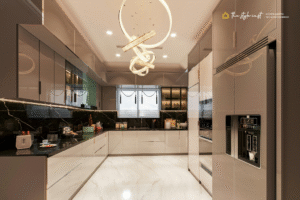
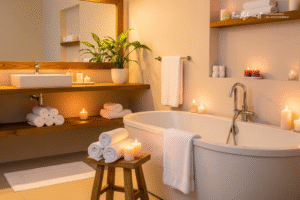
The living room, for example, is where buyers imagine relaxing and entertaining. A cluttered or poorly staged living area can make the entire home feel uncomfortable. The kitchen is often considered the heart of the home, and outdated or messy presentation can be a deal-breaker. The master bedroom sets the tone for comfort and privacy, while bathrooms signal cleanliness and maintenance standards. The entryway creates the all-important first impression that sets buyer expectations from the moment they walk in.
High-Impact Rooms for Staging to Sell
- Living room, where buyers assess space, layout, and lifestyle potential
- Kitchen, a key decision-making area for most buyers
- Master bedroom, representing comfort and personal retreat
- Bathrooms, reflecting cleanliness and upkeep
- Entryway, shaping first impressions and emotional response
Professional Home Staging for Selling initially pays attention to these certain areas since they have the most significant impact on the feelings and thus the decisions of the buyers. By focusing on the main spaces for selling, Property Staging makes the house feel practical, welcoming, and ready for new owners to move in. If the staging of these rooms is done in a great way, it is highly probable that the buyers will not notice the little imperfections in other areas and will feel secure enough to submit an offer.
Simply put, profitable Staging to Sell is about smart effort distribution. The concentrating of the high-impact areas fortifies the total picture, draws the buyers in more, and greatly increases the success of Home Staging for Selling.
Mistake 8: Over-Styling the Home
Home Staging for Selling is a major factor in delivering a great and strong visual look but at the same time over-styling the home can harm it just as much as under-staging does. Over-styling is a subtle yet frequent Property Staging mistake that confuses the buyers and diverts their attention from the most important thing—the space itself. If the decoration takes over the layout and functionality of the house as the main point of attraction, then the interest of the buyer can easily diminish.
In fact, the effective Home Staging for Selling is not about the latest interior design trends being displayed or a magazine-style setup being created. Rather, it intends to show a clean, balanced, and neutral area that attracts a large number of buyers. Over-styling brings in too many visual elements, thus causing rooms to be very busy, cluttered, and hard to understand.
The buyers may find it hard to get an idea about the size of the room, its purpose, or the flow of the place when too much décor is there competing for attention. One more disadvantage of over-styling in Staging to Sell is that it makes personalization through trends possible. Trend-heavy decoration, bold styling choices, or overly curated spaces can unintentionally alienate buyers who do not share the same taste. Successful Property Staging avoids strong design statements and focuses on timeless appeal that allows buyers to imagine their own lifestyle within the space.
Common Signs of Over-Styling in Property Staging
- Too many cushions or throws, making furniture look crowded
- Excessive artwork or wall décor, overwhelming the room
- Trend-heavy décor, dating the space or limiting buyer appeal
- Over-accessorized surfaces, reducing the sense of openness
Home Staging for Selling is a process that involves a delicate balance of style and simplicity. The purpose of each decorative item should be either to create the illusion of more space, to add warmth, or to direct the buyer’s attention.
The architecture, layout, and natural light of the house are allowed to shine through with minimal and purposeful styling. Home Staging for Selling achieves clarity, flow, and emotional attraction by staying away from over-styling. The outcome is a house that feels sophisticated but still welcoming, furnished but still easy to live in—thus making it much easier for potential buyers to bond and confidently move to the decision of purchasing.
Mistake 9: Ignoring Exterior and Curb Appeal
Ignoring the exterior and curb appeal of a property is a serious mistake in Home Staging for Selling. Curb appeal is the very first impression buyers receive, and often it is even before they step inside the house. The exterior presentation is very strong and controls buyers’ expectations whether they are viewing online listings or coming to an open house.
Poor curb appeal may completely discourage buyers from entering the property and thus, make any internal Property Staging efforts ineffective to a great extent. In Staging for Sale, the exterior sets the emotional atmosphere. A clean, well-maintained façade indicates pride of ownership and quality, while neglected exteriors raise concerns about maintenance and hidden issues. Buyers often make quick judgments based on how a home looks from the street, and those judgments are hard to reverse—even if the interior is gorgeously staged.
For Selling exterior home staging is necessary for online listings even more than for anyone else. The photos for the listing usually start with the front of the house, and an untidy or uninviting exterior decreases the number of clicks, inquiries, and inspection attendance. Conversely, an exterior that is well-staged arouses curiosity and creates excitement, thus pushing buyers to delve deeper.
Common Curb Appeal Mistakes in Property Staging
- Untidy or overgrown gardens, creating a neglected appearance
- Worn-out or peeling paint, reducing perceived value
- Cluttered or messy entrances, such as shoes, bins, or old furniture
- Poor lighting at the entry, making the home feel unwelcoming
The staging of a house for sale externally is not about heavy and expensive renovations but rather a series of small but impactful changes such as garden maintenance, paint refreshment, pathway cleaning, and a welcoming entrance creation. These alterations not only change the perception of the buyers but also enhance the overall power of staging for sale. In the end, the staging of a house for sale does not merely cease at the door.
The exterior display and curb appeal are crucial in luring buyers, setting the right expectations, and increasing the chances of a successful sale. When exterior property staging is done right, it works alongside interior staging to make a unified and attractive first impression that not only pulls buyers closer but also keeps them coming back from the very beginning.
Mistake 10: Poor Photography After Staging
One of the most expensive mistakes that sellers can commit, even after making a time and money investment in Home Staging for Selling, is poor photography after staging. A house well staged will get no attention from buyers if the presentation is not done right no matter the staging. In the current real estate market driven by digital technology, online listings are usually the first—and sometimes the only—chance to charm buyers.
Photography plays a crucial role in the process of Home Staging for Selling and buyer engagement. All the advantages of professional Property Staging can be wiped out by the use of low-quality images, wrong angles, or dark photos. Instead of making the best out of the space, light, and flow, bad photography turns rooms into smaller, darker, and less attractive ones. Buyers may go by the listing without ever arranging a viewing, no matter how good the home is staged in reality.
One more problem with bad photography in the Staging for Sale process is misrepresentation. Imbalanced angles and messy framing can do opposite to what was intended by making the room seem smaller and covering important parts of it. Good Home Staging is meant to lead the buyer’s eye, however, poor photography interferes with that visual route and consequently, the emotional bond is not that strong anymore.
Common Photography Mistakes After Home Staging
- Low-quality or blurry images, reducing professionalism
- Poor camera angles, misrepresenting room size and layout
- Bad lighting, making spaces look dull or uninviting
- Inconsistent image quality, weakening listing impact
Proficient photographers guarantee that the Home Staging for Selling takes full effect. The expert photographers of real estate know how to apply lighting, composition, and angles to present the staged areas most attractively. Pictures of top quality enhance the Property Staging works, boost online interaction, and bring more serious buyers in.
As the majority of buyers conduct their search on the internet, professional photography is definitely not an option but a requirement. If it happens together with the great Home Staging for Selling, the strong photography will leave a powerful and first impression that brings in inspections, raises competition, and makes a sale successful.
How to Avoid Home Staging Mistakes
It is very important to avoid common errors in order to achieve the successful Home Staging for Selling. Effective Staging to Sell is not dictated by costly decorations or adherence to the trends; rather, it is a matter of presenting the property to the buyers in an appealing and emotive way strategically. By using the tried-and-true Property Staging principles, the sellers can significantly raise their chances of a quick sale and a higher selling price. The decluttering is the first and the most important step in the Home Staging for Selling process.
By decluttering, one gets rid of everything that is not necessary and hence creates a clean and open atmosphere that buyers can easily concentrate on the characteristics of the space, the arrangement, and the usability of the place. Besides, decluttering not only enhances the flow of the property visually but also enables the rooms to be perceived as large instead of being packed with furniture and other things. This key step underpins all the other Home Staging aspects.
The use of neutral colors is another very important strategy in Staging to Sell. Neutral palettes allow buyers to see their own style in the space and to feel that it is made for living and ready to occupy right away. Soft whites, light greys, and warm neutrals make light brighter and give an impression of larger rooms—one of the major aims of effective Property Staging. The emphasis on key rooms guarantees that the time and money spent are not wasted.
The Professional Home Staging for Selling gives the priority to the high-impact areas such as the living room, kitchen, master bedroom, bathrooms, and entryway. These areas are the most influential for buyer decisions and thus should be the ones to receive the most attention.
Maximizing lighting is no less a factor than its equal importance. The proper lighting will lead to each staging decision being made better, and the outcome will be a room that feels nicely heated and bright and is very inviting. For instance, opening up the curtains, swapping out the dimmer bulbs for brighter ones, and introducing layered lighting are all methods that not only help most effectively with Home Staging but also greatly benefit the listing photography. It is very crucial to keep the décor to a minimum to avoid falling into the trap of over-styling.
The picking of the accessories in Successful Home Staging for Selling is so careful that they are the very basic of what the space has to offer but are at the same time, not very space consuming. Simple shapes along with the same styling lead to the condition where the buyers focus on the house and get not distracted by the ornamental pieces. In conclusion, it is pretty advisable to think about professional Home Staging for Selling services since the difference between the two situations could be quite dramatic.
The professional stagers have an excellent intuition about the buyer’s behavior, are very much aware of the market’s standards, and similarly know how to play the cost-impact game. Professional Property Staging is a strategy that usually gives back strongly in terms of investment as it not only saves the time spent on the market but also boosts the buyers’ interest.
Smart Home Staging for Selling is primarily a strategic concern and not a matter of incurring high costs. If the process of Staging to Sell is executed in the right way, it will give rise to the factors of clarity, emotional bond, and strong attraction to the market, thus, assisting the sellers in getting the best possible deal.
Final Thoughts: Get Home Staging for Selling Right Final Thoughts: Get Home Staging for Selling Right
Staging your home correctly will stop the most common mistakes in staging at your property, thus significantly increasing the market performance and buyer response. Master the art of Home Staging for Selling, and you won’t just be doing the superficial styling; it will lift your property a long way in negotiating and selling to a point that the buyer will choose to buy without any hesitation. In the highly competitive real estate environment, the right Home Staging for Selling can either result in the property being off the market for a long time or it can even happen that you get a really good sale at the high end of the market.
The right Home Staging for Selling will create a very strong first impression of your property both online and offline. The sellers can present a home that is very clean, inviting, and move-in-ready by doing very little, painting with light colors, adding lights every where and concentrating on the rooms that matter most. Such features at the very least will provide emotional buyers bonding and will help them to imagine themselves in that place, which is one of the strongest factors in a sale.
The choice between DIY Home Staging and professional Property Staging does not matter, as the principles of Staging for Sale that are used are still the same: simplicity, clarity, and buyer-focused presentation. Professional Home Staging for Selling services conduct thorough consultations based on the psychology of buyers, market trends, and visual balance, frequently leading to a strong return on investment through fast sales and high offers.
In the end, Home Staging for Selling is one of the most effective ways for sellers to make their property more appealing and valuable. When applied properly, Property Staging not just changes the image of the house, but also makes it attractive to a specific market segment—therefore, giving you a quicker sale, stronger competition, and a higher final price.