Home Staging Melbourne: The Luxury Advantage Every Seller Needs in 2026
When a buyer walks into a property in Melbourne today, they’re not just checking room sizes and storage. They’re asking themselves a much more emotional question:
“Can I see my life here?”
That single question is where home staging in Melbourne makes all the difference.
In 2025, Melbourne buyers are more design-conscious than ever. They follow interiors on Instagram, save inspiration boards on Pinterest, and compare dozens of homes online before stepping through a single front door. If your home doesn’t look considered, calm, and move-in ready, it simply doesn’t stand out.
Whether you’re preparing a CBD apartment in Southbank, a period home in Hawthorn, a family home in Preston, or a townhouse in Coburg, professional home staging turns your property into a polished product that feels desirable, premium, and easy for buyers to fall in love with.
This guide walks through everything you need to know about home staging Melbourne sellers are using to get faster sales and stronger offers from what staging includes and how it works suburb-by-suburb, to costs, common mistakes, and how to choose the right staging partner.
1. Why Home Staging Matters So Much in Melbourne Right Now
Melbourne has always been a style-driven city. Cafés, laneways, boutique retail aesthetics are part of the lifestyle. That expectation has now moved strongly into residential property.
Here’s what has changed:
1. Buyers make decisions earlier often before the open
Most buyers now:
- Shortlist homes online
- Compare photos side-by-side
- Eliminate homes that “don’t feel right”
If your listing photos show empty rooms, clutter, or tired furniture, your home is already behind better-presented properties in suburbs like South Yarra, Kew, or Balwyn.
2. Emotional response is a bigger factor than ever
People justify with logic, but they decide with emotion.
Staging helps shape that moment when a buyer walks into the living room and quietly thinks:
- “This feels calm.”
- “I love this light.”
- “I could work from here.”
- “This is where we’d have friends over.”
That emotional “yes” is exactly what you want to trigger.
3. Competition across Melbourne suburbs is strong
In many pockets — Hawthorn, Surrey Hills, Richmond, Preston, Truganina, Deanside, Balwyn there are multiple similar properties on the market at the same time. The homes that look more put-together are simply easier to choose.
Home staging doesn’t change the address or the floorplan. It changes how buyers experience them.
2. What Home Staging in Melbourne Actually Involves
Good staging is not just putting in “nice furniture.” In a premium context, it’s a calculated design exercise built around your property, your buyer, and your local market.
A professional staging solutions Melbourne service usually includes:
A. Furniture tailored to the home and suburb
Stylists choose pieces that:
- Match the architectural style
- Fit the scale of each room
- Reflect the price point and target buyer
Examples:
- Docklands / Southbank apartments – slimline, contemporary, light furniture
- Kew or Camberwell period homes – soft classic shapes, warm timber, elegant statement pieces
- Preston or Coburg townhouses – modern but welcoming, family-friendly setups
B. Art and accessories with intention
Rather than random décor, stylists use:
- Large-scale artwork to anchor spaces
- Sculptural vases and objects
- Coffee table books and curated décor
- Layered cushions and throws
These details create that editorial, magazine-style finish Melbourne buyers respond to.
C. Soft furnishings and textiles
Textiles change how a room feels:
- Wool or jute rugs warm up timber or tiled floors
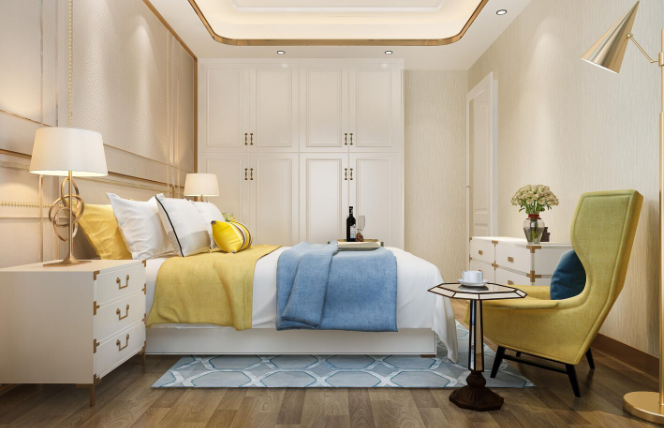
- Linen bedding instantly makes a bedroom feel like a boutique hotel
- Layered cushions add depth and softness to neutral sofas
D. Lighting and ambience
Many Melbourne homes especially older terraces or units can feel dark or flat without the right lighting.
Stylists use:
- Floor lamps in corners
- Table lamps on sideboards or bedside tables
- Warm bulbs rather than harsh cool white
- Mirrors to bounce natural light deeper into the home
E. Outdoor and balcony staging
In suburbs like South Yarra, Fitzroy, Richmond, Docklands, Port Melbourne, Preston, or Truganina, outdoor space is a big selling point.
Staging can include:
- Compact bistro settings on balconies
- Outdoor lounges or dining settings on decks
- Greenery and pots for a softer feel
This helps buyers instantly imagine Sunday coffees, summer dinners, or kids playing outside.
3. Full Home Staging vs Partial Home Staging
Two main approaches are used in house staging Melbourne:
1️ Full Home Staging
This is the complete styling of an empty property. Furniture, beds, rugs, lamps, art, greenery — the works.
Best suited for:
- Vacant homes
- New builds and developments
- Investment properties between tenants
- High-end listings in suburbs like Hawthorn, Balwyn, Kew, South Yarra, Brighton
- Architect-designed or statement homes that need a cohesive look
Pros:
- Absolute control over the aesthetic
- Every room is styled for photos and opens
- Maximises lifestyle feel and flow
Cons:
- Higher cost than partial staging
- Requires clear access and staging time before photography
2️ Partial Home Staging
This blends the owner’s existing furniture with added styling pieces.
Great for:
- Owner-occupied homes
- Sellers on a limited budget
- Homes with good bones but outdated décor
Stylists might:
- Replace just the sofa and coffee table
- Bring in modern dining chairs
- Update bedside tables and lamps
- Add art, rugs, and décor to tie everything together
This is very common in northern and western growth areas such as Preston, Coburg, Truganina, Deanside, Fraser Rise, Tarneit — where owners want high impact without fully emptying the home.
4. How Home Staging Varies by Melbourne Property Type
Different properties call for different staging strategies.
A. Inner-city apartments (CBD, Southbank, Docklands)
Focus on:
- Making small spaces feel airy
- Using glass, slimline furniture, and mirrors
- Highlighting views and balcony access
- Creating clear living, working, and dining zones
B. Period homes (Hawthorn, Kew, Camberwell, Surrey Hills)
Focus on:
- Respecting original character
- Using warm neutrals, soft shapes, and curved lines
- Balancing heritage details with contemporary furniture
- Emphasising fireplaces, bay windows, high ceilings
C. Family homes (Balwyn, Doncaster, Glen Waverley, Preston)
Focus on:
- Functionality and comfort
- Generous seating and dining spaces
- Separate play or study zones where possible
- Simple, durable-looking furnishings
D. Townhouses and duplexes (Coburg, Brunswick, Pascoe Vale, Truganina)
Focus on:
- Clean, cohesive design across multiple levels
- Light colour palettes to increase spacious feel
- Flexible furniture layouts that show how to live in compact spaces
5. The Buyer Psychology Behind Home Staging
Buyers almost never walk through a home and say, “I am responding to the neutral colour palette and the proportion of the furniture.”
What they think instead is:
- “This feels good.”
- “I love this room.”
- “I could see us living here.”
Staging is about building that emotional response.
Key psychological triggers:
- Order and calm: Clutter and mismatched furniture create background stress. Clean, considered styling feels peaceful.
- Clarity of function: A clear home office zone tells a work-from-home buyer, “Yes, this will work for you.”
- Aspirational lifestyle: An outdoor dining setup suggests long summer nights with friends. A reading chair by a window suggests slow, relaxing weekends.
- Sense of possibility, not perfection: The goal isn’t to make the home intimidating; it’s to feel accessible and elevated.
6. Room-by-Room Home Staging Checklist for Melbourne Sellers
If you’re walking through your own home before staging, here’s how to think room by room.
Entry / Hallway
- Clear clutter
- Use a slim console table
- Add a mirror and small plant or vase
- Ensure good lighting
This is the “first five seconds” moment.
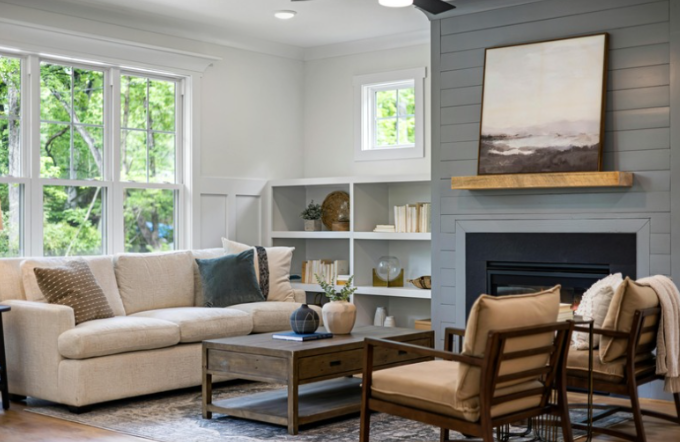
Living Room
- Choose one main sofa, not two heavy ones
- Add a rug to zone the space
- Keep décor on the coffee table simple
- Allow easy walkways, no furniture blocking flow
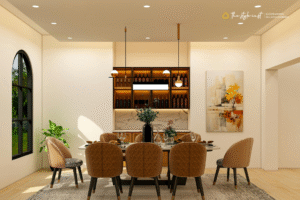
Dining Area
- Use a dining table that fits the space (not oversized)
- Style with simple centrepiece not clutter
- Ensure chairs are modern and in good condition
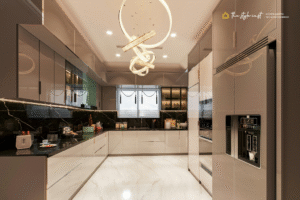
Kitchen
- Remove most items from benches
- Leave a few curated items (fruit bowl, chopping board, coffee machine)
- Make sure surfaces are spotless
Bedrooms
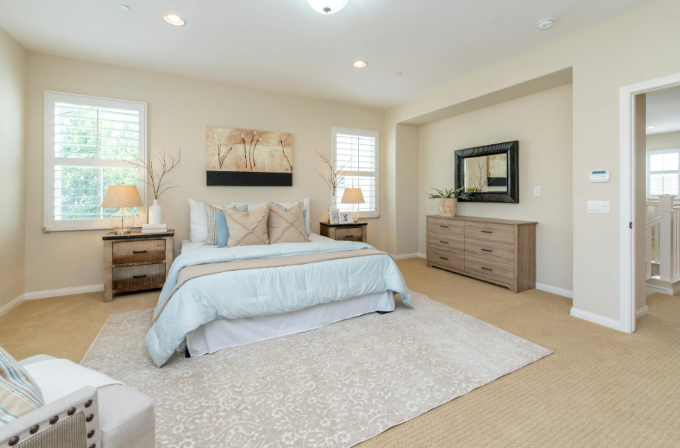
- Use neutral bedding with layers
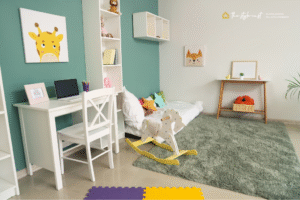
- Avoid strong patterns and bright cartoon themes
- Style bedside tables with lamps and simple décor
- Keep wardrobes closed and surfaces tidy
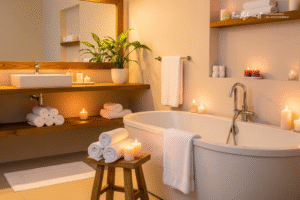
Bathrooms
- Remove personal products from view
- Fresh towels in neutral tones
- Add greenery or a simple accessory
Outdoor Spaces
- Balcony: small café table + chairs
- Courtyard: outdoor setting or bench with cushions
- Backyard: simple furniture that shows how to use the space
7. Home Staging Costs in Melbourne – What to Expect?
Pricing varies based on property size, location, and how many rooms are staged, but a general guide is:
- 1-bedroom apartment: ~ $1,800 – $2,800
- 2-bedroom apartment: ~ $2,500 – $3,800
- 3-bedroom home/townhouse: ~ $3,800 – $5,800
- 4-bedroom family home: ~ $5,800 – $9,000+
- Large or luxury homes: can move into the $9,000 – $15,000+ range
You’re typically paying for:
- Furniture hire
- Décor and textiles
- Delivery and installation
- Professional styling
- Removal after sale or contract
When you position this against the potential uplift in perceived value and the impact on buyer competition, staging acts more like a marketing investment than a cost.
8. Common Mistakes Melbourne Sellers Make Without Professional Staging
Even well-kept homes can lose impact if presentation isn’t carefully considered.
The usual mistakes:
- Too much furniture:
Rooms feel smaller than they are. - Dark, heavy pieces:
Visually weigh down spaces — especially in older homes. - Personal photos everywhere:
Makes it harder for buyers to imagine themselves in the home. - Strong wall colours:
Distract from space and light. - Ignoring outdoor space:
Underutilises a key lifestyle feature in a city that loves entertaining.
A good home staging Melbourne stylist quietly fixes all of this before buyers ever see it.
9. How to Choose the Right Home Staging Partner in Melbourne
Not all staging is created equal. You want a partner who understands design and real estate.
Questions to ask:
- Do you have experience in my suburb and price bracket?
- Can I see before/after photos of similar homes?
- Do you offer both full and partial staging?
- How long does the process take from consultation to install?
- How long is the hire period?
- Are there different styling options based on budget?
A good stylist should be able to look at your home and clearly explain:
- Which areas need the most attention
- What style will work best
- How staging will support your sale strategy with your agent
10. Best Timing for Home Staging in Melbourne
You don’t need to be in peak spring to benefit from staging, but timing matters.
Typically strong selling seasons:
- Late summer to early autumn (Feb – May)
- Late winter to spring (Aug – Nov)
During these times, competitive listings increase, and anything that helps your property stand out — like professional staging — becomes even more valuable.
If you’re listing outside these windows, staging can actually give you an edge when fewer styled homes are on the market.
11. How Home Staging Fits into Your Overall Sales Strategy
Think of staging as one part of a complete marketing ecosystem:
- Home staging – makes the property visually irresistible
- Professional photography & video – captures the styling at its best
- Compelling listing copy – tells the lifestyle story
- Targeted digital marketing – pushes that story to the right buyers
- Open homes – convert that interest into emotional connection
All of these pieces support each other. Staging is the physical foundation that makes every other step more effective.
12.Why Home Staging in Melbourne Is a Smart, Strategic Move?
At a glance, staging might look like “just furniture,” but in practice, it’s a highly strategic layer of real estate marketing.
It:
- Shows buyers how to live in your property
- Makes your listing stand out online
- Helps your photos look premium
- Shortens days on market
- Encourages competitive offers
- Leaves a lasting emotional impression
In a style-savvy city like Melbourne, where buyers are constantly comparing options, home staging is one of the most reliable ways to shift their mindset from “just another listing” to “this is the one.”
Thinking about staging your home? Before you decide, take a moment to watch our client video and see the transformation process in action.