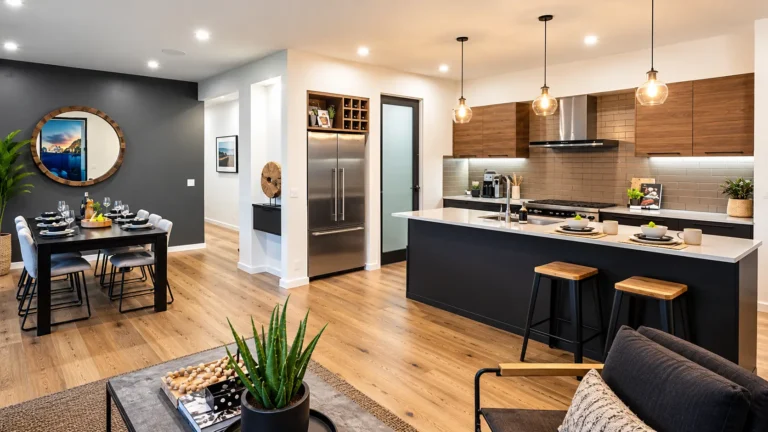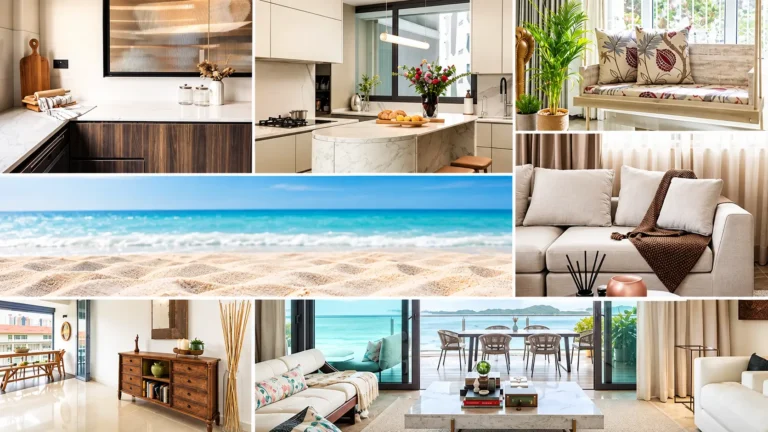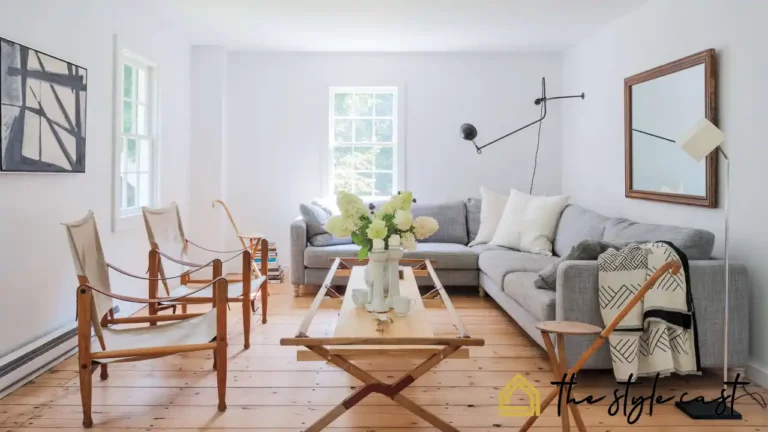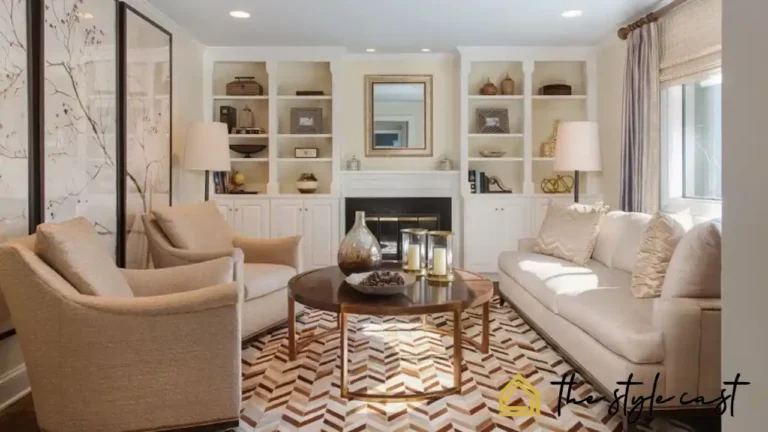
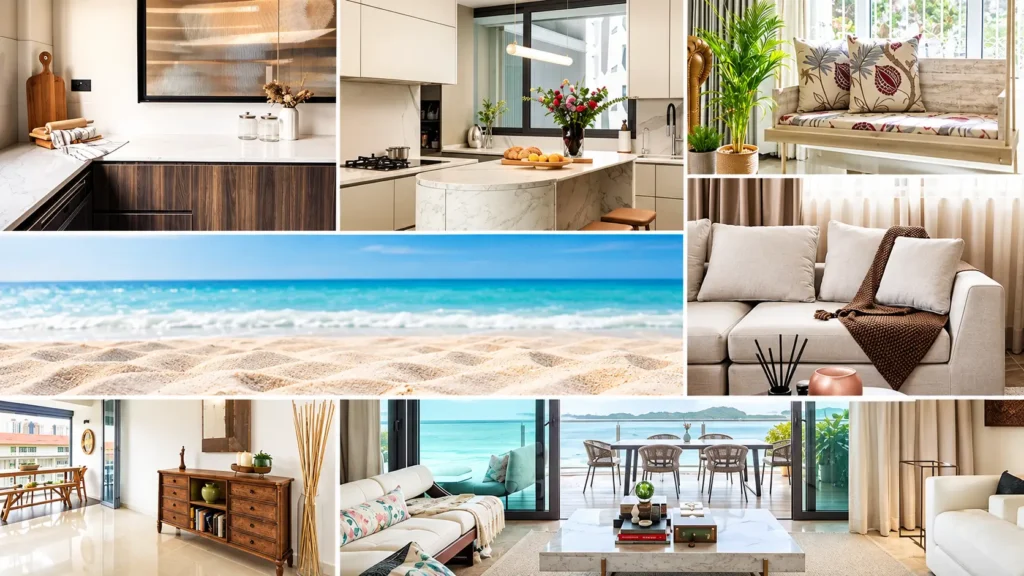
There’s a reason coastal styling remains one of the most requested looks across Australian homes, whether you’re in Torquay, Sorrento or a landlocked Melbourne suburb chasing that beach house feeling. Coastal interior styling isn’t just a design trend — it’s a lifestyle statement that speaks to how Australians actually want to live: relaxed, light, airy and unpretentious. For anyone preparing a property for sale or simply refreshing a living space, understanding the principles of coastal home decor can make the difference between a house that feels generic and one that feels like a retreat.
At its core, coastal styling draws on the colours, textures and materials of the Australian shoreline. Think bleached timbers, woven textures, soft linens and a palette borrowed directly from sand, sea and sky. But good coastal interior styling is about restraint as much as inspiration. The best coastal-styled homes never feel like a nautical theme park — no anchors, no rope-wrapped mirrors, no navy-and-white overload. Instead, they lean into a more sophisticated, contemporary interpretation of beach house styling that works whether your property is genuinely beachside or simply borrowing the mood.
Why Coastal Styling Works So Well for Australian Buyers
Australia’s relationship with the coast runs deep, and buyers respond to it instinctively. A well-executed coastal home decor scheme signals easy living — spaces that feel uncluttered, breathable and connected to the outdoors. When we style a property for sale, coastal styling consistently performs well because it appeals to a broad demographic: young families picturing weekend beach trips, downsizers wanting low-maintenance elegance, and investors who understand that a light, neutral palette photographs beautifully and appeals to the widest pool of buyers.
This is where coastal styling and effective home staging intersect. A property doesn’t need to be within cooee of the ocean to benefit from this approach — what matters is creating an emotional response. Buyers aren’t just purchasing square metreage; they’re buying a feeling, and coastal styling delivers a feeling of calm that’s hard to replicate with other design languages.
Core Elements of Coastal Interior Styling
1. A Natural, Sand-and-Sea Colour Palette
Coastal home decor starts with colour. Think warm whites, soft sandy beiges, weathered greys and the occasional muted blue or seafoam green used sparingly — as an accent rather than a dominant tone. Avoid saturated navy or bright turquoise, which can read as dated or overly literal. The goal is a palette that feels sun-bleached rather than themed.
2. Natural and Textured Materials
Rattan, jute, linen, raw timber and woven rope all play a role in authentic coastal styling. A jute rug underfoot, linen slipcovers on a sofa, or a rattan pendant light instantly signal relaxed beach house styling without saying a word about it literally. Texture does the heavy lifting that colour alone can’t achieve.
3. Light, Airy Window Treatments
Sheer linen curtains or simple woven blinds let light flood in, which is essential for coastal home decor to feel authentic. Heavy drapes or dark blockout curtains work against the mood you’re trying to create. If a room lacks natural light, coastal styling can still help by using pale tones and mirrors to bounce what light there is.
4. Timber Tones That Feel Weathered, Not Polished
Whitewashed oak, driftwood-finish furniture and pale timber flooring all support the coastal aesthetic. If you’re working with existing darker timber floors, layering light rugs and furniture can soften the contrast without requiring a full renovation.
5. Greenery That Feels Coastal-Adjacent
Potted palms, native grasses or simple olive branches in a ceramic vase reinforce the outdoor-indoor connection central to coastal styling. Avoid anything too tropical or too manicured — the plants should feel like they belong to a relaxed, low-fuss lifestyle.
6. Curated, Not Cluttered, Accessories
A single piece of coastal-inspired art, a stack of linen cushions in tonal colours, or a woven basket for throws goes further than a room full of shells and driftwood ornaments. Restraint is what separates elevated coastal styling from theme-park kitsch.
Room-by-Room Coastal Styling Ideas
Living Room: Anchor the space with a linen or performance-fabric sofa in warm white or oatmeal, add a jute rug, and layer in timber side tables with rounded, organic shapes. A single oversized woven pendant light overhead completes the look without overwhelming the space.
Bedroom: Coastal home decor in the bedroom should feel like a boutique beach hotel — crisp white linen, a woven headboard, and soft layered textures in sand and stone tones. Keep bedside styling minimal: a ceramic lamp, a small stack of books, and nothing more.
Kitchen: If a full renovation isn’t on the table, coastal styling can be introduced through open timber shelving, woven pendant lights, and simple ceramic or ratan accessories on the benchtop. A bowl of citrus fruit adds colour without breaking the palette.
Bathroom: Pale stone-look tiles, woven baskets for towels, and simple driftwood-toned cabinetry bring coastal styling into one of the most scrutinised rooms for buyers. For more ideas specific to this space, our guide on bathroom styling ideas that make a small space feel like a retreat covers exactly how to elevate a compact bathroom using this same relaxed palette.
Coastal Styling for Homes That Aren’t Beachside
One of the most common questions we get is whether coastal styling only works for genuine waterfront or near-coast properties. It doesn’t. Coastal home decor is really a philosophy of light, texture and restraint that suits almost any Australian home, from a Brighton bungalow to a Ballarat weatherboard. The trick is to interpret it subtly — lean into the natural materials and palette rather than literal beach motifs, and the style will feel intentional rather than out of place.
This matters enormously when preparing a property for sale, because presentation needs to resonate with the broadest possible buyer pool. If you’re weighing up styling choices as part of a broader sale strategy, it’s worth reading our guide on how to sell your house fast with the presentation moves that actually work — styling is one lever among several, and coastal looks are particularly effective when combined with strong curb appeal and decluttering.
Coastal Styling and Renovation Value
If you’re considering cosmetic updates before a sale, coastal interior styling can be layered onto relatively low-cost renovations for outsized impact. A fresh coat of warm white paint, updated timber-look flooring, or new woven light fixtures can transform a dated interior into something that feels current and desirable — often without the expense of a full renovation. For a broader look at where renovation dollars go furthest, see our piece on renovations that add the most value before selling.
Common Mistakes to Avoid in Coastal Styling
- Overdoing the nautical theme: Anchors, ship wheels and rope detailing tip coastal styling into costume territory. Keep references subtle and material-led.
- Choosing overly saturated blues: A dominant bright blue can date quickly and feel heavy-handed. Use blue as a whisper, not a statement.
- Ignoring texture in favour of colour alone: Coastal home decor relies heavily on tactile materials — skipping texture leaves the space feeling flat, even with the right palette.
- Cluttering surfaces with beach ornaments: Shells, starfish and driftwood signage can quickly overwhelm a space. One or two considered pieces communicate the theme far better than a collection.
Final Thoughts on Coastal Styling for Australian Homes
Coastal interior styling endures because it reflects something genuinely Australian: a preference for ease, light and a connection to the outdoors, regardless of postcode. Whether you’re styling a home to sell or simply refreshing your own space, focusing on natural materials, a restrained palette and thoughtful texture will deliver that relaxed beach house feeling buyers consistently respond to. Combined with strong exterior presentation — our guide on curb appeal in Melbourne covers how to extend this same considered styling to the front of the home — coastal styling can be one of the most effective and cost-conscious ways to present a property at its best.
Frequently Asked Questions
What is coastal interior styling?
Coastal interior styling is a design approach based on natural, sun-bleached colours, textured materials like linen and rattan, and light-filled spaces inspired by the Australian shoreline, without relying on literal nautical motifs.
Does coastal styling only suit beachside homes?
No. Coastal home decor works in any Australian home because it’s really a philosophy of light, texture and restraint rather than a requirement for ocean proximity.
What colours are used in coastal styling?
Warm whites, sandy beige, weathered grey and small accents of muted blue or seafoam green make up a typical coastal palette, with saturated blues generally avoided.
Is coastal styling good for selling a house?
Yes. Coastal styling photographs well, appeals to a broad range of buyers and creates an emotional sense of calm and easy living, which are strong drivers in property presentation.
How can I add coastal styling on a budget?
Simple swaps such as linen cushions, a jute rug, woven light fixtures and a warm white paint refresh can introduce coastal styling without a full renovation.
What should I avoid in coastal home decor?
Avoid literal nautical props like anchors and rope, overly saturated blue tones, and cluttered surfaces — restraint is what makes the style feel elevated rather than themed.