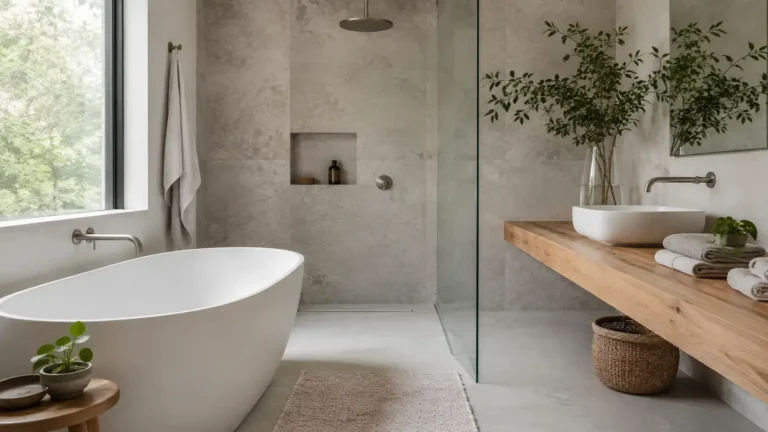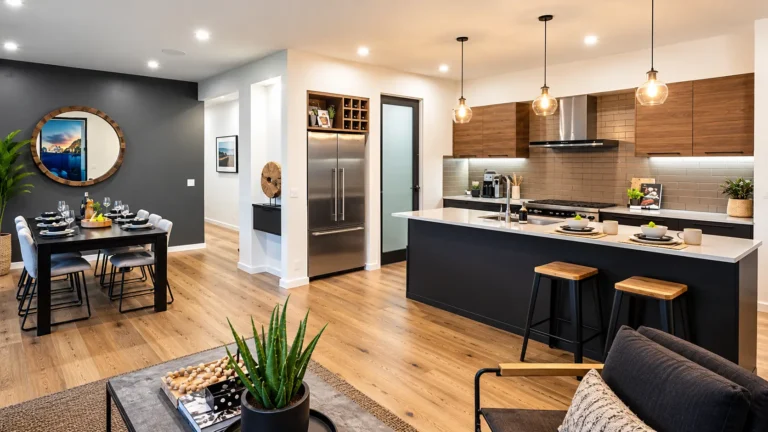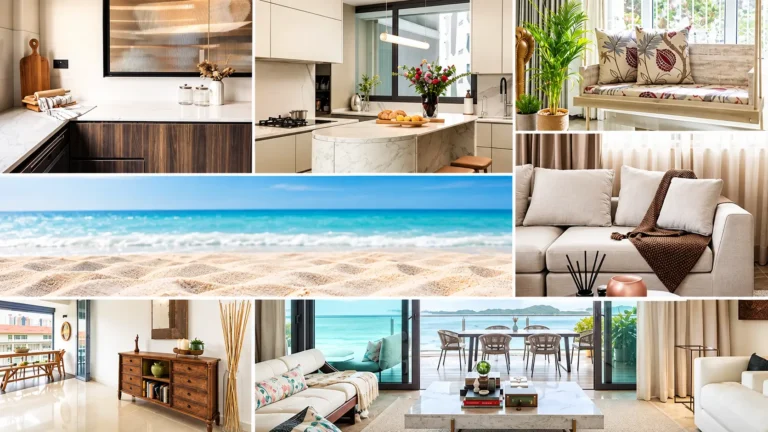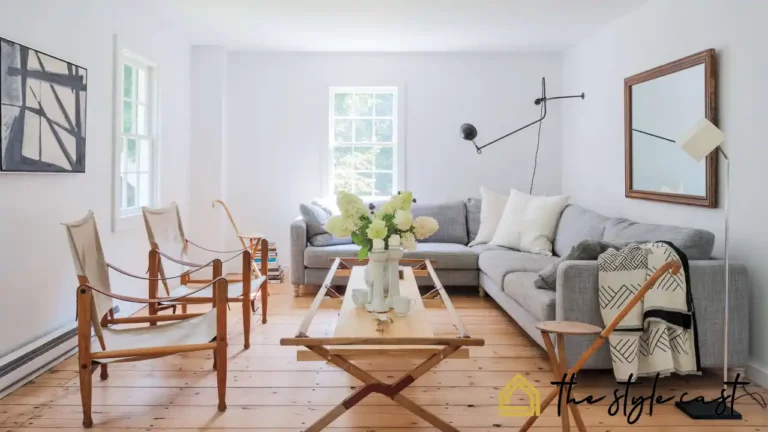
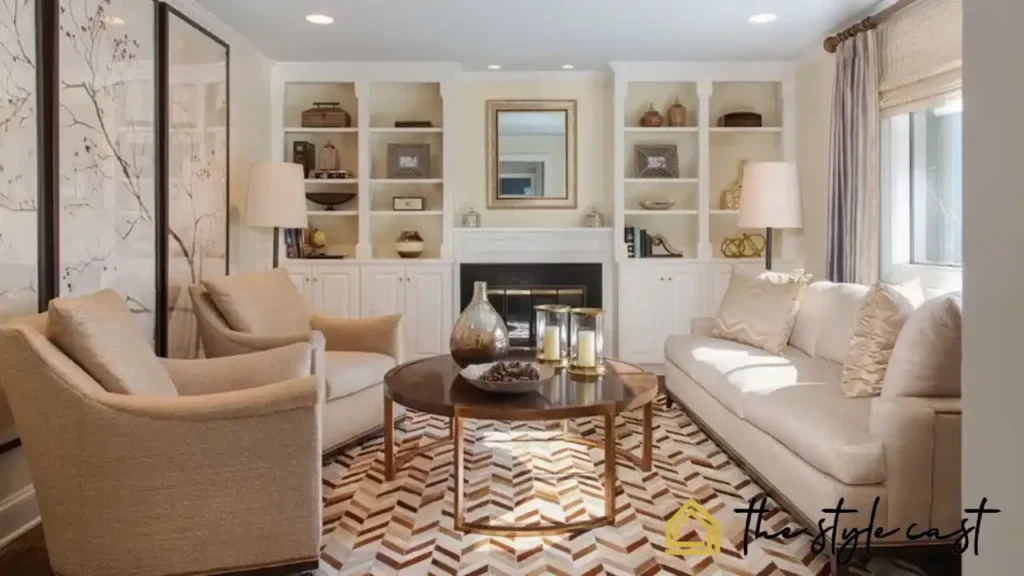
The fastest way to make a small living room feel open is to reduce the number of pieces rather than their size. One large sofa beats three small seats. One oversized rug beats a small one. Keep a clear 80 centimetre walkway, choose furniture with visible legs, hang curtains close to the ceiling, and leave the floor completely clear of anything that is not furniture.
Small Rooms Fail for Predictable Reasons
A living room does not feel cramped because of its dimensions. It feels cramped because of how many things the eye has to process before it reaches a wall.
We see the same four problems in almost every compact lounge across Melbourne, from Southbank apartments to 1970s units in Preston. Too many separate pieces of furniture. A rug that is too small. Furniture pushed hard against every wall. And objects on the floor that are not furniture, which is usually storage boxes, laundry baskets, drying racks and cables.
Fix those four and the room grows before you buy anything. What follows is the detail, with real measurements, because “make it feel bigger” is useless advice without numbers attached.
Measure First: The Numbers That Decide Everything
Before choosing anything, write down four measurements.
Room dimensions. Wall to wall, both directions.
Walkway widths. You need a minimum of 80 centimetres for a main path through the room, and 60 centimetres for a secondary path such as between a sofa and a wall. Below 60, people turn sideways and the room feels tight regardless of how it looks.
Coffee table clearance. Leave 40 to 45 centimetres between the sofa edge and the coffee table. Less and people cannot get their legs in. More and the room reads as disconnected.
Sofa depth. Standard sofas run 90 to 100 centimetres deep. Compact designs run 80 to 85. In a room under 3.5 metres wide, those 15 centimetres are the difference between a walkway and a squeeze.
Here is a rough guide for what fits.
| Room width | Suggested seating | Rug size |
|---|---|---|
| Under 3 m | 2.5 seat sofa only | 1.6 x 2.3 m |
| 3 to 3.5 m | 3 seat, narrow arms | 2 x 3 m |
| 3.5 to 4 m | 3 seat plus one chair | 2.4 x 3.3 m |
| Over 4 m | 3 seat plus two chairs | 2.7 x 3.5 m |
Layout Ideas for Small Living Rooms
Float the sofa slightly off the wall
Even 8 to 10 centimetres. Pressing furniture flat against plaster makes the middle of the room look like a hole and the walls look closer than they are.
Angle nothing
Diagonal furniture placement wastes the corners behind it. In small rooms, everything sits square to the walls.
Anchor with one large rug
The front legs of every seat should sit on it. A rug floating in the centre with no furniture touching it visually chops the floor into pieces, which is exactly what you do not want.
Keep one wall clear
Choose the wall opposite the entry and leave it mostly empty apart from artwork. That clear plane gives the eye somewhere to rest and makes the room read as deeper.
Zone open plan spaces with the rug, not with furniture
In apartments where living, dining and kitchen share one room, a rug defines the lounge zone without adding any physical barrier. Bookcases and console tables used as dividers make small spaces feel chopped up.
Put the TV on the wall
Wall-mounted, cables run inside the wall or hidden in a slim conduit painted to match. A TV unit takes up 40 to 50 centimetres of depth that a small room cannot spare.
Furniture Choices That Buy You Space
Legs, always
Sofas, chairs and side tables raised on slim legs let the floor run underneath. The eye keeps travelling, so the floor area reads as continuous. Skirted bases stop it dead.
Narrow arms
Slim-arm sofas save 15 to 20 centimetres of width without losing a seat. In a 3.2 metre room that difference is immediately visible.
Round coffee tables
No corners to walk into, easier flow, and a softer shape in a room full of straight lines. Nesting round tables are better again, since they separate for guests and stack back to one footprint.
Glass, acrylic or open-frame side tables
Transparent and open pieces do the job without adding visual weight.
One large piece over several small ones
This is the rule people resist most. Three small mismatched items always look busier than one substantial piece, even though the small items technically occupy less area.
Storage that hides completely
Ottomans with internal storage, a bench seat with a lift lid, or a sideboard with doors rather than open shelving. Visible storage is still clutter.
Our staging furniture ideas guide goes further on choosing pieces that suit the property rather than personal taste.
Light, Colour and Height in Small Space Styling
Hang curtains 15 to 20 centimetres below the ceiling
Not at the top of the window frame. The wall reads as taller and the window looks larger.
Extend the curtain rod past the frame
By 15 to 20 centimetres on each side, so the curtains stack against wall rather than glass when open. You keep every bit of natural light.
Choose a pale floor rug
Pale rugs bounce light. Dark rugs absorb it, which turns a small south-facing room grey and heavy.
Use two colours, not three
The three-colour rule from larger rooms tightens to two in a compact space. Warm white plus one soft accent.
Add one large mirror
Positioned to reflect a window or a view, not a blank wall or a doorway into another cluttered room. One generous mirror looks intentional. Several small ones look busy.
Layer three light sources at different heights
Ceiling, floor lamp and table lamp. Small rooms lit from a single ceiling point look flat and boxy in photos and in person.
Paint the trim the same colour as the walls
Skirting, architraves and doors in the same white as the walls remove the visual lines that break a small room into segments. This is a genuinely underused trick.
Apartment Living Room Ideas
Apartments bring constraints that houses do not, particularly in Melbourne’s CBD, Southbank and Docklands towers.
Work with the borrowed light. Many apartments have one glazed wall and no other windows. Keep that wall completely clear of furniture and let everything else face it.
Do not block the view, even partially. A tall bookcase near a window is worth thousands off the perceived value of a view apartment. Our piece on staging for city views and small space living in Southbank covers this in detail.
Respect strata rules. Some buildings restrict what can be fixed to walls or ceilings. Freestanding lamps and leaning artwork solve this without drilling.
Style the balcony as another room. Two chairs, a small table, one plant. A styled balcony reads as extra living space. An empty one reads as unusable.
Keep the entry clear. Apartment entries are often the width of a hallway and open directly into the living space. Anything stored there is the first thing a buyer sees.
If you are selling an apartment, home staging in Melbourne CBD is worth reading alongside this.
What to Remove Before Anything Else
- Storage boxes, tubs and crates from the floor and under furniture
- Drying racks, laundry baskets and vacuum cleaners
- Charging cables, power boards and extension leads
- Excess cushions, more than two per seat
- Small scattered objects on shelves, aim for 60 percent full
- Any piece of furniture nobody sat on in the last month
That last one is the most useful test in this entire article. If nobody has used it in a month, it is decoration you are paying for in floor space.
More of these are covered in home presentation mistakes to avoid and minimalist home styling ideas.
Frequently Asked Questions
How do I make a small living room look bigger?
Reduce the number of separate pieces, use one rug large enough for the front legs of all seating, float the sofa slightly off the wall, hang curtains near the ceiling and keep the floor clear of anything that is not furniture. Choose furniture with visible legs so the floor runs underneath.
What size sofa fits a small living room?
In rooms under 3 metres wide, a 2.5 seat sofa around 180 centimetres long. From 3 to 3.5 metres, a narrow-arm 3 seat around 200 to 210 centimetres. Check the depth as well, since a compact 80 centimetre depth saves as much space as a shorter length.
What colour is best for a small living room?
Warm white on walls, ceiling and trim, with one soft accent through cushions and a throw. Painting the trim the same colour as the walls removes visual breaks and makes the room read as larger.
Should a rug be big or small in a small room?
Big. A small rug is one of the most common mistakes in compact rooms because it divides the floor and shrinks it. The rug should sit under the front legs of every seat with a border of visible floor around it.
Is it worth styling a small apartment before selling?
Yes, and often more than for a large home. Buyers struggle to judge scale in small spaces, so a correctly furnished apartment sells better than an empty one, which almost always looks smaller than it is. Vacant home staging is built for this.
Key Takeaways
- Fewer, larger pieces always beat more, smaller pieces
- 80 centimetres of walkway is the number that decides whether a room feels tight
- One oversized rug anchors the space, a small one shrinks it
- Curtains high and wide, trim painted to match the walls, one large mirror
- Anything unused for a month is costing you floor space
For the broader room, our living room ideas guide covers layout and decor at full scale, and top 10 tricks to make small homes feel spacious applies the same thinking across the whole property. If a compact home needs furnishing from scratch, look at our home furnishing packages or full and partial property staging. We work across Melbourne including home styling in South Yarra and the suburbs on our locations page. Get in touch and we will measure the room properly before recommending anything.