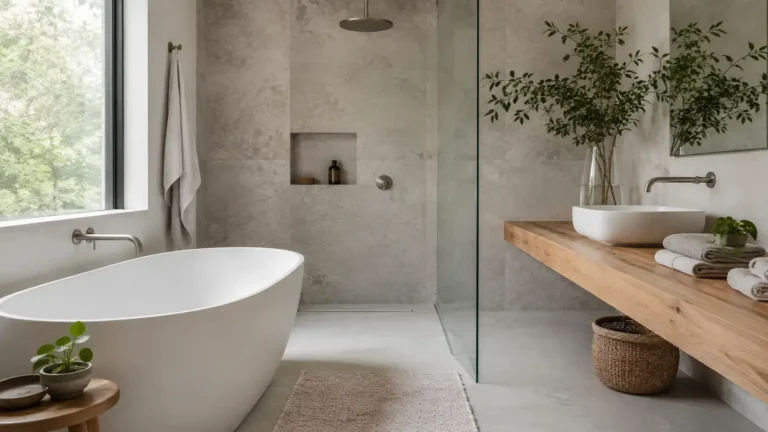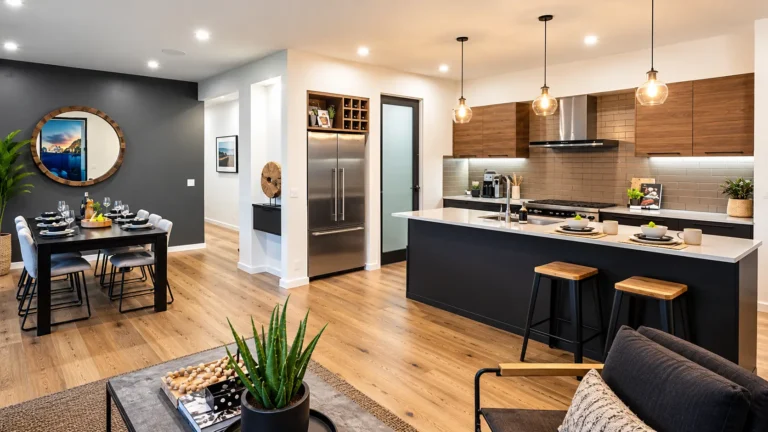
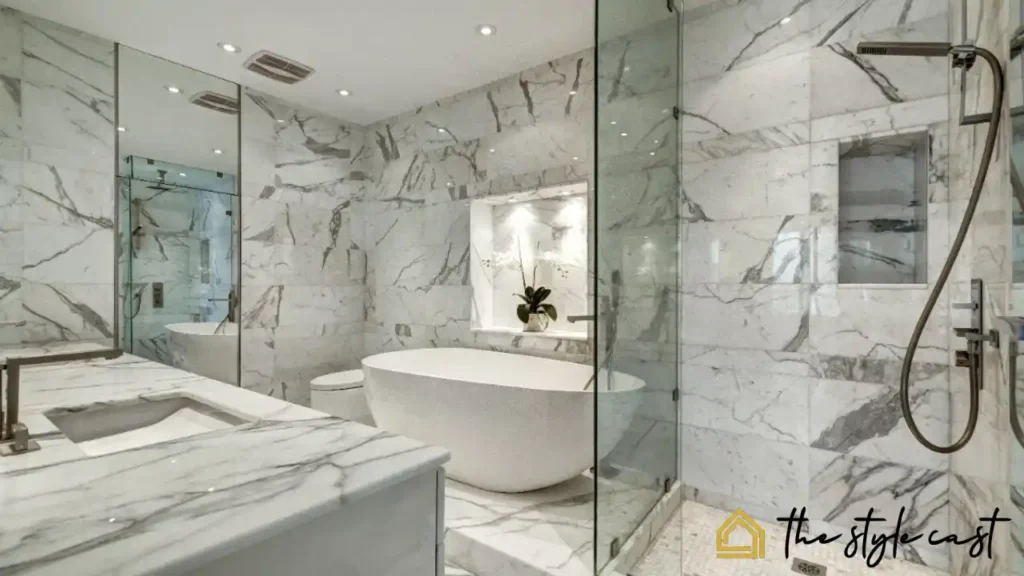
The bathroom is among the rooms with the highest scrutiny looking to be sold ever. Even though it has a small area relative to the rest of the household it is among the highest areas for sale and is among the most important factors in making or breaking a sale. Good staging of bathrooms actually does the hard work. So, very important to know about the bathroom-staging no-goes for homeowners and real estate agents. Given this, there will outline things you do to sabotage your own good intentions and supply purposed hints for bathroom staging that will transform your property into the buyers’ paradise.
Understanding the Critical Importance of Proper Bathroom Staging
Embark on exploring common pitfalls in bathroom staging; it would be an understatement to present the significance of the bathroom for the home-buying process. A bathroom is a personal area, where the potential buyers would start conjuring up their day-to-day activities in the bathroom, right from early morning beauty preparation to winding down in the evening. When the potential buyers set feet in the bathroom, they are not just concerned about the clean tiles spread out neatly and bathroom fixtures; they are already filling that clean canvas with their appropriate belongings to see whether they themselves wish for that particular space pegged in the red light of their lifestyle consideration.
This is where the psychological bridge, across which the many staging plans applicable to bathroom may be elongatedly swallowed by the thought, sleep on a range of bad ideas-fine, and nip away at a bit of confidence in keeping the rest of the house. Research consistently states that bathrooms are among the top three rooms potential buyers look into when staying in a house, next to the kitchen and master bedroom. By not presenting the bathroom effectively, a buyer may really begin to doubt whether the home has been maintained well.
Perhaps mold damage? Water damage? All the silly junk like that comes up. The end result? People are just not very excited about the place. In fact, it’s tough to get them to look beyond what they see before them, let alone care a lot about any emotional bond they may have made with the property. The best bathroom-staging techniques can, hence, boost general perceptions of value throughout, promote a spa experience for each buyer who enters, cut down the time house sits on market, and most probably push the final selling price upwards.
The Most Damaging Bathroom Staging Mistakes: Neglecting Deep Cleaning and Sanitization
It isn’t important how many times it comes up. It is something that still remains in the minds of those who stop being decisive. The hospitality industry stands at an absolutely clear point in that it is essential to keep a sense of clean surroundings at any cost. More recently, people have started focusing again on the significance of hygiene as a real key aspect of the operation of Cleanness, with the sense of a new enlightenment generated by the scaling criticism. Individual enthusiasts can make hectic rounds while endeavoring to pinpoint various factors, entities, and phenomena; nevertheless, one can be sure that their theory will still not hold water when something else proves the point of the latter.
Many beneficial homeowners typically depend on their regular dusting and vacuuming routine while setting a stage for showing properties. Nevertheless, a real professional bathroom staging calls for such deep cleaning as part and parcel of her weekly maintenance. The grout that may indeed have accumulated grime over the years between the tiles, the caulking on the tubs and showers showing mildew or yellowing, the calcium buildup of hard water issues on the faucets and showerheads, the furry dirt on the exhaust fan tiles, the buildup under the waterline in toilet bowls, and the residue on the inside of glass shower doors that appears as a cloudy soiled phase. For a bathroom to be properly staged, you need to scrutinize a piece of everything from different angles and lighting conditions.
To see if any dust has accumulated at all, just get down on your hands and knees and inspect the baseboards. Then, look straight up into the light fixtures—these exceptionally seem to be collecting dead bugs or whisks of dirt. Another mundane location to inspect is at the back of the toilet right under the tank. This is where dust and hair build and accumulate without anyone ever realizing it. Also resist the tendency of not checking the underside of the toilet seat and the hinges in cleanings and cleaning away dirt.
These would appear to be overly picky grooming rules for bathroom staging, but, nonetheless, prospective buyers will keenly note such scenarios-and whether they acknowledge these imperfections consciously or unconsciously-vivid impressions of the overall condition and home care are surely what they would derive from these little scenes. The odor of a bathroom is as important to the buyer as its visual cleanliness. One of the common bathroom staging mistakes is trying to cover up odorous smells rather than eradicating the source.
For when homebuyers inspect, they are very sensitive to odors from any trace of mildew, sewage, or stale air and immediately assume a problem with the plumbing, ventilation, or water damage. Instead, avoid reliance on air fresheners or scented candles, which might make the buyers suspicious of what you are hiding, and instead concentrate on eliminating these sources of odor thoroughly. This may involve cleaning up drain blocks with enzymatic cleaners, making sure that the ventilation is coming in and going out properly, washing fabrics: shower curtains and bath mats, and keeping fresh air circulating often.
Color and Paint-Related Bathroom Staging Mistakes That Repel Buyers
Color choice is another vital area where staging mistakes in the bathroom often occur, at the expense of how the buyer sees the bathroom. The bathroom scene is no place for great shows of personal expression through loud paint colors or adventurous tile selections. Your walls might converse with eggplant purple; or you might like accents running lime green in your bath space; this kind of strong-colored embrace to any extent becomes a big barricade to the potential buyer in perceiving the area as his own.
Dark, intense or overly saturated colors easily drive home among the bad ways for decorating a bathroom because they make small bath rooms feel tiny and confining. Bathrooms are among the first floors in a house, and through its very design it carries menacing dark colors over the walls whence it makes up a cave atmosphere buyers will describe as oppressive and stark. This atmosphere is further aggravated by the fact that unlike with some light color, some light reflection is not even there-to say definitively nothing of absorbing whatever light is available. This problem shall be augmented in a bathroom bereft of a window or possessing pitifully little natural light.
Expert in this field would champion as to white/cream and gray/beige light complimentary-colored bathroom staging ideas that accentuate spacey luxury and cleanliness perception. Billowy light whites, tender creams, airy grays, and delicate beiges are the usual neutral bathroom staging colors, their light and clean look acting as the slates upon which potential buyers can cast their own styles, while injecting the concept of space, brightness, and warmth. They photograph spectacularly well, just perfect for the online display, leaving a lovely lasting impression of your bathrooms on the home buyers even before their one foot steps in your home.
A mean trick to play (which happens to be bad luck for sellers) is to neglect the yellowing or dirty paint that, having absorbed all moisture and humidity over life’s wear and tear, is made to shine a line upon your investment. Ask whichever bathroom paint color it might be in the spectrum. If you rotated much on a neutral base to begin with, you still experience a problem because in the bathroom, it is nothing but a hard life of steam, humidity, and moisture that turns paint to yellow, peel, or render a chalky opaque finish.
Turning a blind eye toward such aged interiors during the bathroom-staging process equates to an offense to all potential buyers as they see the room in utter date and poor shape. Really, repainting the wall with a fresh coat of paint is the cheapest and least-invasive remodeling projects for the home seller or stager, with the potential to cause a huge transformative stage; less than 200 dollars in YOUR paint might change the bathroom into everyone else’s dream bathroom! Do not put ordinary internal paint in your bathroom; it will not work.
Look at bathroom paints or kitchen and bath paint, which have been formulated for high moisture instances. Unlike ordinary interior paints, those based on bathroom paints have mildewcides that totally alter mold growth and are designed to last longer against the fluctuations inherent of humidity that bathrooms get chimed by during normal use. As one of the buried remodeling mistakes, using the wrong type of paint is not easily avoided upon one’s inspection but could signify a host of problems.
Lighting Deficiencies: A Critical Category of Bathroom Staging Mistakes
The best thing about bathroom staging is the little glitches that get overlooked by the fluorescence and overage of light exposure. When it comes to bathrooms, it becomes paramount to discard the use of daylight-a task that can allude us or work in our favor for a change in dramatic character. The bathroom has the most activity in the morning: the ladies (ah, now they have almost uniformly enlarged) move in quick succession to make up inside in two critical minutes-or minutes; the gentlemen shave and arrange on the way.
Judy of the daytime is reserved for reading, dying, studying, singing, talking, experimenting, sunbathing, or bathing. Buyers have to put up with the imagination that they would have to do all this in a dimly lit and uninviting bathroom. In older homes, a big problem with bathroom lighting includes outdated fixtures that do not provide enough light or cast unflattering shadows. A single ceiling fixture with a low-wattage bulb just can’t cut it in today’s bathroom. Yet such lighting is common in many houses that have simply not been remodeled for some time.
This makes every corner look dark and cast shadows on the face when one inspects oneself in the mirror. The whole room looks very depressing and cold. The professional approach to staging bathrooms uses a layered lighting approach: blending ambient illumination coming from overhead fixtures, task lighting around mirrors for more detailed grooming needs, with perhaps some accent lighting for dramatizing architectural features or adds a deck of interest in the scene. One faux pas in setting up bathrooms in terms of the lighting situation is that bulbs could typically be of the wrong color temperature, either making the lighting “too cold” and clinical, resulting dull, and unattractive or making it “too warm” and cozy.
For a splendid lighting experience during the professional bathroom staging, it is always a good idea to choose LED bulbs with color temperatures in the 2700K to 3000K range (warm), depending on whether the sunlight must hug you in the face or call you to work. Stay away from bulbs with color temperatures below 2700K, as this will produce a Bad Effect and make it look like the white fixtures are quite soiled, and if you want to experiment a little bit, be conservative when choosing bulbs that start from about 3500K, which generally generate bad light for a residential bathroom, much less for a serious business toilet.
The most notable among home staging ideas for bathrooms, which can update a space without major improvements, is lighting fixture changes. Upon upgrading tacky, dated fixtures such as brass varieties for suave contemporary versions of chrome, brushed nickel, or matte black solutions, you will notice an immediate esthetics uplift and better function. Ensure that your choice of fixtures, as part of home staging bathrooms, is classic rather than contemporary; therefore, those designs are sure to fill the widest range of buyer profiles.
Avoid totally bizarre-shaped pieces, extremely decorative designs, and any other audacious efforts which may alienate potential buyers who hold varied tastes in style and design in bathroom remodeling. Do not forget the importance of natural light when considering bathroom staging strategies. Perhaps no better way exists than to spider-fog the windows in heavy drapes or have them cluttered with decrepit window sills, dusty blinds, or out-of-date curtains.
Natural light is a bathroom’s best friend because it gives the room a fresh, airy feeling and connects the inside with the great outdoors. If privacy is an issue, keep the window decorations in another room. However, assume all light should stand on its own now. Sheer curtains, top-down bottom-up shades, or frosted window film obscure windows but let light in. For example, bathrooms without windows go a long way toward feeling cave-like and claustrophobic, and lighting fixtures are especially important in such a case or may turn into one of the bathroom staging mistakes that can further enhance these decaying feelings.
Clutter and Personal Items: The Bathroom Staging Mistakes That Destroy Visual Appeal
It is quite common for bathroom staging mistakes to happen as a result of buyers becoming entirely dislodged by being made to envision the place as their own living space-thus disrupting their creativity more than what could otherwise be caused by strangers’ toothbrushes, medicine, and toiletries, or whatever may be construed to be personal items, spread all over a counterside, tub side, or the shower caddy. The psychology behind this bathroom staging mistakes is essentially simple; it breaks the very moment someone comes across private items that evoke a sense of unnatural intimacy.
It actually prevents them from visualizing themselves living in the house-since now they are perceived more as intruders than potential buyers. One glimpse at such personal stuff as your toothbrush, medicine (particularly prescription), or toiletries reminds the prospective buyer that they are in someone else’s personal space, which prompts discomfort and thus hinders the burgeoning emotional ties to prompt a decision to buy.
Staging a bathroom correctly flies in the face of these sentiments by clearing the subject of any traces of the current occupancy for a blank state that fosters a buyer’s undecided heart filled with their place-candidates for purchase. Clutter in the bathroom is an underappreciated nuisance by homeowners who stumble upon a paramount staging mistake, holding the belief that neatly patterned product placement is justified.
However, one must understand that an overt display of toiletries, makeup, hair styling tools, and other personal items tend to visually congest the setting, thus giving smaller feelings to the bathroom, and a feeling of jamming occurring also. All that lies on the countertop, except for a select number of visual props that have common effects on the entire staging plan, should be removed. This includes the likes of electric toothbrushes, soap dispensers, tip jar covers, tissue box covers, and any number of other small things that seem to pile up on the bathroom vanity when we go about our normal days.
In your effort to avoid bathroom staging mistakes, particular attention must be paid to the shower and tub areas in order to eliminate all that stuff associated with the word clutter. Shower caddies hanging off showerheads, standing corner shelves filled with container after container, loofahs hung out to dry, razors tenuously perched on soap dishes-the lot needs to go before any showing. These are the kind of things that generally add to visual clutter while openly displaying dried-on soap scum, mildew, and product-yuckiness detracting from the cleanliness one so ardently desires the bathroom to project.
De-clutter vibes for showers and bathtubs are all about creating an almost wallpapered, top-end hotel bathroom look in which nothing makes sight other than tile, fixtures. If you are going to have to show something in the area-say a splash of white, rolled towels positioned as a focal point for the room. The medicine cabinet and under-sink storage is another area where it can be the unbearable fault.
Many sellers actually make the error of thinking that they actually will not look in the cabinets and drawers during the tour, but in reality, the knowledgeable buyers will absolutely check these areas to gauge the extent of the storage and how organized the bathroom space is. If they see cabinets that are loaded with hygienic products, possibly medications and personal items, they send a very clear message of inadequate storage and unorganized environment.
In order to stage your bathrooms, remove a minimum of two-thirds of the game’s cabinet content, possible remaining neatly organized, so that nothing falls when cabinets are opened. You could also consider putting shelf lining and small organizing baskets as a way of showcasing the storage potential while also maintaining a neat look.
Textile and Towel-Related Bathroom Staging Mistakes
It is quite common for bathroom staging mistakes to happen as a result of buyers becoming entirely dislodged by being made to envision the place as their own living space-thus disrupting their creativity more than what could otherwise be caused by strangers’ toothbrushes, medicine, and toiletries, or whatever may be construed to be personal items, spread all over a counterside, tub side, or the shower caddy. The psychology behind this bathroom staging mistakes is essentially simple; it breaks the very moment someone comes across private items that evoke a sense of unnatural intimacy.
It actually prevents them from visualizing themselves living in the house-since now they are perceived more as intruders than potential buyers. One glimpse at such personal stuff as your toothbrush, medicine (particularly prescription), or toiletries reminds the prospective buyer that they are in someone else’s personal space, which prompts discomfort and thus hinders the burgeoning emotional ties to prompt a decision to buy.
Staging a bathroom correctly flies in the face of these sentiments by clearing the subject of any traces of the current occupancy for a blank state that fosters a buyer’s undecided heart filled with their place-candidates for purchase. Clutter in the bathroom is an underappreciated nuisance by homeowners who stumble upon a paramount staging mistake, holding the belief that neatly patterned product placement is justified.
However, one must understand that an overt display of toiletries, makeup, hair styling tools, and other personal items tend to visually congest the setting, thus giving smaller feelings to the bathroom, and a feeling of jamming occurring also. All that lies on the countertop, except for a select number of visual props that have common effects on the entire staging plan, should be removed. This includes the likes of electric toothbrushes, soap dispensers, tip jar covers, tissue box covers, and any number of other small things that seem to pile up on the bathroom vanity when we go about our normal days.
In your effort to avoid bathroom staging mistakes, particular attention must be paid to the shower and tub areas in order to eliminate all that stuff associated with the word clutter. Shower caddies hanging off showerheads, standing corner shelves filled with container after container, loofahs hung out to dry, razors tenuously perched on soap dishes-the lot needs to go before any showing. These are the kind of things that generally add to visual clutter while openly displaying dried-on soap scum, mildew, and product-yuckiness detracting from the cleanliness one so ardently desires the bathroom to project.
De-clutter vibes for showers and bathtubs are all about creating an almost wallpapered, top-end hotel bathroom look in which nothing makes sight other than tile, fixtures. If you are going to have to show something in the area-say a splash of white, rolled towels positioned as a focal point for the room. The medicine cabinet and under-sink storage is another area where it can be the unbearable fault.
Many sellers actually make the error of thinking that they actually will not look in the cabinets and drawers during the tour, but in reality, the knowledgeable buyers will absolutely check these areas to gauge the extent of the storage and how organized the bathroom space is. If they see cabinets that are loaded with hygienic products, possibly medications and personal items, they send a very clear message of inadequate storage and unorganized environment.
In order to stage your bathrooms, remove a minimum of two-thirds of the game’s cabinet content, possible remaining neatly organized, so that nothing falls when cabinets are opened. You could also consider putting shelf lining and small organizing baskets as a way of showcasing the storage potential while also maintaining a neat look.
Hardware and Fixture-Related Bathroom Staging Mistakes
The unsuspecting category of casting mistakes on water spray heads, faucet tools, or spigots will make an already clean, conscientiously organized powder-room look even more bad. Updating these may mean putting up more classier towel rods or maybe holding toilet paper in some more elegant holders or switching to cabinet knobs-enhancing also a more stylish feel or jiving with light switches, giving the buyer an act of being touched by the elements.
Momentum of the property sale is all influenced by how they look and what impression one gets. Common folly in bathroom staging involves mixing finishes all over the bathroom without a distinct plan. Constructing brass towel bars, chrome faucets, brushed nickels cabinet pulls, and oil-rubbed bronze lighting fixture results in a mishmash of visuals, seemingly evincing lack of design coherence. It appears that these changes were effected here and there, throughout the years, without referred to the master plan.
While eclectic tastes could have planned on being eclectic, this staging mistake amateurish places a feeling of disorganization and substandard finish in the space. In proper bathroom staging, however, one should choose only one finish-let it be brushed nickel, chrome, or plain black-and make sure that all exposed catching metal all over the bathroom runs in the same finish. The best thing to do in an inexpensive way to stage the bathroom is updating fixtures. Various-multifarious pictures of new contemporary bathroom fixtures and accessories in the advertisements of websites like Amazon have fans coo-ing over the new look of their space.
To sync new releases or simply their desires in style, a simple faucet change is all that is being spoken about. Multiple hundred dollars can easily be revised in the stat group house, pictured in the article. New chromed faucet enhances the beauty of the new bathtub with every drop of water. Ha! If you sort of like buying the products here paid their real price, one would never be able to focus on the hype of their newly beloved single use of $90 purchase shortly after such hardly claimed dramatic visual transforms. Water damage, corrosion, and mineral buildup on fixtures are huge bathroom staging particulars which essentially raise the infamous red flag of plumbing issues.
With corroded faucet aerators, mineral deposits on showerheads, or rust on drain covers, the buyer just immediately worries about the unseen behind-the-walls condition of piping, water heaters, and even plumbing systems in general. Even when these cosmetic issues aren’t necessarily indicative of functional issues, the harmful perception is definitely an issue that needs addressing. Include in your home staging bathroom preparation thoroughly clean all fixtures using the appropriate descaling solutions, replace any corroded aerators or showerheads, and go ahead and deal with any confirmed water damage, or rust which could raise unwarranted concern with buyers.
The importance of your toilet may prove a touchy subject in the matter of bathroom staging faux pas. A worn or corroded toilet seat; loose hinges (perhaps due to incorrect installation); a mild gurgling sound each time it’s flushed, as if it refuses to let itself off the hook; and ugly mineral stains or patches forged in various sizes of peeling black arrears, all make a statement of less maintenance and possibly impending plumbing dystrophy.
Given the fact a new toilet seat could barely cost between twenty and forty dollars, what’s to stop you from replacing it? The simple white seat connects, hopefully, with hinges and securing hardware of quality that is capable of maintaining the seat’s sturdiness in position, without wobbling or being noisy each time someone sits on it. However, stained toilets or non-stainable toilets should be considered, too. If it’s a stubborn case, a complete new terlet may be a good investment as a result of the bigger bathroom staging context.
Scale and Proportion: Bathroom Staging Mistakes in Furniture and Accessories
The understanding of scale and proportion needs to start before staging bathrooms because this knowledge helps people prevent bathroom staging mistakes that result in cramped and awkward and unattractive bathroom spaces. Homeowners make a common mistake when they select bathroom furniture and accessories that exceed the available space because this decision creates a cluttered effect which decreases the room’s actual size and obstructs the buyer’s ability to imagine their daily life in the bathroom.
The most common bathroom staging mistakes occurs when people select furniture that exceeds appropriate size limits. The excessive size of large vanities which occupy the entire room space together with the presence of large storage cabinets which impede movement and the numerous furniture items which include chairs and hampers all contribute to the violation of successful bathroom staging requirements which need a clean and spacious appearance. The assessment process for your home staging bathroom furniture requires you to judge the space with first-time visitor standards. Do you have a definite function for each item?
The space requires your furniture piece which provides both practical value and aesthetic worth to the room. The bathroom requires furniture removal when any piece makes the space feel cramped because of its size. The process of staging bathrooms needs special attention to scale errors because these mistakes become bathroom staging mistakes which create major problems in small restrooms. The visual effect of each item becomes stronger in small areas which causes bathrooms to lose their welcoming atmosphere when too many accessories and furniture items enter the space. The most efficient bathroom staging advice for small bathrooms involves dedicated implementation of minimalistic design.
The process requires you to eliminate all items except essential ones while maintaining surface areas without obstruction and using wall-mounted storage systems instead of floor-based units to develop visual space. Bathroom scaling errors affect both decorations and accessory items used in bathroom staging. The presence of oversized artwork which occupies an entire small bathroom wall together with the use of giant decorative vases on countertops and mirrors that surpass the bathroom vanity width creates design issues which result in space that appears incorrectly proportioned. The bathroom staging design requires you to use accessories which match the space’s dimensions because this choice will improve the visual aspects of the area. The first option should be to select smaller items while maintaining a smaller quantity of items when you feel uncertain about your decision.
The use of small accessories and sparse items creates a bathroom staging mistakes which results in a bathroom space that feels deserted and uninviting. The large vanity space needs only one small candle while the spacious wall requires only one tiny art piece. The professional bathroom staging design achieves equilibrium through the usage of bathroom accessories which match the room’s dimensions and their arrangement into attractive groups that produce visual appeal without creating disarray. The process requires you to group three matching accessories with different heights instead of distributing small items across the area or select a single big display item to put on your main wall space.
Mirror-Related Bathroom Staging Mistakes That Diminish Space and Light
Bathroom mirrors serve both practical needs and decorative purposes, but staging errors related this element have multiple detrimental effects on how buyers perceive the space. The wrong choice of mirrors makes bathrooms smaller and darker and less attractive, but the correct choice of mirrors makes bathrooms brighter and more spacious and presents an elegant design element. The first common mistake occurs with bathrooms which use mirrors that look outdated because their frames show damage and their silvering has failed and their glass has become foggy.
Bathroom rooms appear dirty when mirrors show black spots from silvering damage and their frames have chipped paint and their glass has permanent water spots. The low cost of mirror replacement makes it easier to replace problematic mirrors, which should be the main focus of all home staging bathroom strategies. Choose simple, classic designs with quality frames in finishes that coordinate with your fixture hardware for a cohesive, updated appearance. Bathroom staging mistakes, which occur because of incorrect mirror size selection, create major challenges for staging bathrooms.
The bathroom design becomes unbalanced because vanity mirrors have inadequate size, which should match the bathroom space. The mirror should match the sink width, which should not exceed the vanity size by more than three inches, according to bathroom staging guidelines. The light-reflecting and space-expanding properties of properly sized mirrors are lost when mirrors are made smaller than the required dimensions. The most effective bathroom staging technique, which improves your bathroom space, involves replacing your existing mirror with one that matches your vanity size. Bathroom staging mistakes happen because mirrors extend beyond the vanity base and take up excessive wall area.
The bathroom space becomes too crowded when oversized mirrors are installed since they take up too much space and make the room feel small. When selecting mirror sizes for professional bathroom staging, aim for dimensions that complement the vanity without overpowering it, typically leaving several inches of wall visible on each side of the mirror to create visual balance. Bathroom staging mistakes start with the selection of mirror frame styles. The use of heavily ornate frames and rustic frames with distressed finishes and quirky custom frames allows you to make a personal design statement, which hinders potential buyers from creating their preferred neutral space. For home staging bathroom purposes, choose simple, classic frame styles in neutral finishes that complement your fixture hardware.
Frameless mirrors with polished edges provide a modern and timeless solution that appeals to all buyers while offering maximum reflective surface. Bathroom staging mistakes happen because of two main factors, which include mirror placement and hanging height. Bathroom mirrors that are hung at extreme height positions create problems, which make it difficult for people who use different height levels to look into the mirrors. The standard practice for bathroom staging requires mirrors to hang at a height, which places their bottom edge 5 to 10 inches above the countertop and their midpoint at 60 to 65 inches from the floor. Bathroom staging mistakes happen because mirrors hang at a tilt or position themselves incorrectly, so you need to make sure your mirrors have proper hanging and secure installation.
Scent and Air Quality: The Invisible Bathroom Staging Mistakes
The process of bathroom staging focuses mainly on visual components, but the presence of odors and the state of air quality constitute essential elements which can ruin your staging attempts even when your visual display appears flawless. The olfactory experience profoundly impacts buyer perception, often operating at a subconscious level that influences emotional responses without buyers even realizing why they feel uncomfortable or unenthusiastic about a space. The practice of attempting to disguise unpleasant bathroom smells through operational methods stands as the most common bathroom staging mistakes.
The buyers who visit your home possess exceptional sensory abilities which allow them to detect any odor that resembles sewage or mildew or mustiness or stale air and this leads them to suspect the existence of plumbing issues or water damage or mold growth or insufficient air circulation. The use of air fresheners and scented candles and plug-in fragrances to mask these odors proves ineffective because artificial scents create distrust among buyers regarding your hidden intentions. Professional bathroom staging requires identification and complete removal of all odor sources which need to be treated through permanent solutions instead of temporary methods. Common bathroom odor sources arise from blocked or unclean drains and improper ventilation which causes humidity to build up and shower curtains and bath mats which have not been cleaned and toilet problems which stem from broken wax rings and insufficient maintenance.
Your home staging process for bathroom preparation requires you to eliminate all possible sources of bathroom odors. Enzymatic cleaners should be used to clean drains because they effectively remove organic material from the system. The exhaust fans should be checked for proper operation and they need to be used before showings to remove moisture and establish air circulation. All shower curtains and bath mats must be replaced once they develop mildew or maintain musty smells which persistent washing cannot remove.
The process of cleaning toilets needs to reach all areas which include the space beneath the rim and the base perimeter which needs to be sanitized to avoid bacteria buildup that creates odors. The process of bathroom staging needs proper ventilation because it functions as a vital element which prevents the emergence of odor-related staging problems. The absence of appropriate bathroom ventilation leads to moisture buildup which results in mildew formation, paint damage, and the permanent presence of musty odors which buyers find unacceptable.
Your bathroom exhaust fan needs to function effectively so you must clean the cover to remove dust and debris and operate it before showings to create fresh air circulation. The existing exhaust fan produces excessive noise so replacing it with a modern quiet unit will enhance both air quality and buyer perception at your bathroom staging area. In bathrooms without exhaust fans, bathroom window openings should be used for maximum air flow while a fan can be installed if the financial resources allow while all other methods should be used to control humidity and odor problems.
Bathroom temperature and humidity control contribute to buyer comfort, which makes bathroom staging mistakes, which arise from improper temperature and humidity management, to appear as minor errors. The high temperature and humidity levels of bathrooms indicate ventilation faults, while the cold and damp atmosphere of bathrooms indicates insufficient heating combined with possible moisture issues. The bathroom temperature before showings should match the home temperature while the humidity must create a refreshing atmosphere which does not resemble steam or musty odors. The use of a dehumidifier in humid areas or during humid times helps remove extra moisture which stops musty odors from developing in bathrooms that lack proper air circulation.
Storage Display: Critical Bathroom Staging Mistakes That Reveal Clutter
Your staging success depends on both your storage techniques and your selection of visible items for cabinets, drawers, and shelving units. The first bathroom staging mistakes which beginners should avoid involves their belief that buyers will not check cabinets and drawers during their property inspection. Buyers who have experience will always check storage areas because they want to evaluate both the available space and how well everything inside the area stays organized. The home displays poor upkeep standards because all storage areas became uncontrollable and filled with excessive items and disorganized belongings.
Bathroom staging mistakes reach their peak when bathrooms display cabinets and drawers which exceed their capacity because this makes buyers believe the bathroom does not have enough storage space to meet their needs. The bathroom fails to offer sufficient storage space when buyers see items tumble from cabinets or drawers which they must force shut. People maintain this belief because they see storage areas filled to capacity for reasons which result from your staging work that demands countertop clutter removal.
A bathroom needs half of its cabinet content to be removed before staging work can begin because this creates a storage space illusion that will accommodate future resident belongings. Bathroom staging mistakes begin when people fail to organize their storage areas. Cabinets display poor organization because they contain disorganized products which include expired medications and tangled hair dryers and cords and various other items.
The bathroom staging process requirements first require you to spend two hours on organizing cabinet materials by using small storage bins and baskets while you also need to throw away expired items and make everything look organized in a way that showcases storage capacity. The presentation looks exceptional because this work demonstrates complete dedication to maintaining high standards, which produces premium results, and proves the home gets treated with great care. Bathroom staging mistakes occur because open shelving brings its own particular challenges. Open shelving serves as an appealing design feature, yet it needs more precise handling than closed storage because all items in open display remain visible to buyers.
The bathroom space appears disorganized because overstuffed shelves display products which people arranged without care and display items in containers which do not belong together and personal belongings. Open shelving needs to display matching white towels which get rolled and stacked with attractive apothecary jars that hold cotton balls or bath salts and high-end toiletry bottles in similar design packaging and a small decorative item.
The design needs to display everything through an organized display with open spaces because this display will become a common error during bathroom staging. Under-sink areas require more design work to prevent buyers from seeing bathroom staging mistakes which start at this point. The space serves as a dumping ground for cleaning supplies and additional bathroom products and miscellaneous items which lack designated storage. The home displays poor condition when buyers see storage areas which contain disorganized contents and leaking cleaning supplies and signs of previous plumbing problems, and home inspectors lose their trust in the property. Your bathroom staging plan needs you to empty all items from under the sink and then assess all areas for visible signs of water damage and mold which need to get fixed and then carry out a thorough cleaning process while you replace only essential items which you will place on shelf liners and organizational containers.
Grout and Caulk: The Bathroom Staging Mistakes That Signal Major Problems
Your bathroom staging success depends on the condition of grout and caulk which people usually avoid maintaining. The bathroom staging mistakes which result from this common oversight create critical warning signals that deter potential buyers. The presence of discolored grout and crumbling caulk and visible mildew in these areas indicates moisture problems which stem from inadequate maintenance and will require expensive remediation work that will disrupt sales negotiations while driving down purchase price offers.
The most noticeable bathroom staging mistakes in tiled bathrooms occurs when grout develops discoloration. Grout develops a range of stains that include dirt and soap residue and water minerals which cause white and light gray grouts to turn into dingy beige and brown. The entire bathroom area appears dirty because of this discoloration which remains visible regardless of your tile cleaning efforts. Home buyers who find heavily stained grout will view your property as unclean and poorly maintained which leads them to believe that fixing the problem will cost more than it actually does, resulting in lower purchase offers or complete buyer withdrawal.
The process of professional bathroom staging requires intensive cleaning work to restore grout to its original color or through the method of recoloring. The cleaning process begins with a high-quality grout cleaner and a stiff brush which you should use to remove surface stains through methodical work. Users should apply a grout colorant or grout pen to discolored grout which requires restoration to its original appearance. These products are available at a low cost, but they will greatly enhance the visual appearance of your tiled surfaces. You should regrout your bathroom area when you find that the existing grout has been extensively damaged or completely removed during your home staging process.
The additional work and expenses needed for this task become worthwhile because buyers will perceive your bathroom as a fresh and well-maintained space instead of an area needing urgent renovations. The presence of mildew-stained grout in a bathroom space creates an even greater hazard because it indicates hidden moisture issues and poor ventilation systems. The black and pink streaks which appear in shower area grout will cause buyers to develop extreme negative feelings because they fear mold and air quality issues and the possibility of hidden water damage.
Bathroom staging needs to avoid all visible grout mildew that exists in shower areas. The complete removal of all growth should be done through the use of mildew-specific cleaners or bleach solutions, while addressing moisture and ventilation issues first. After grout cleaning, you may apply grout sealer to stop future mildew development. Caulk condition affects buyer perception because people ignore its importance during bathroom staging which creates major errors. The yellowed and cracked and mildewed caulk which people see around tubs and showers and sinks and toilets creates an unappealing look which raises critical worries about hidden water damage which might happen behind walls or underneath floors.
The bathroom area needs clear caulk to meet its purpose, but its aesthetic decline makes the space look outdated. The most affordable way to enhance a bathroom space involves removing all old caulk from the area before you apply fresh caulk to every location which needs caulking. Select white or clear caulk for bathroom use, and apply it to create smooth professional-looking beads which show your commitment to creating high-quality work.
Bathroom staging mistakes which involve caulking occur at two crucial points which link the bathtub to the wall and the shower to the floor. Buyers will examine these junctions to find proof of water problems, which leads them to doubt anything that shows the caulk does not cover all spaces or shows bad condition or wrong color. The caulk in this area should be kept clean because any gaps or cracks or mildew or discoloration need to be fixed. If you do not trust your ability to apply caulk, you should hire a handyman or professional to do the work because badly applied caulk will look worse than properly maintained caulk that has aged.
Flooring Issues: Bathroom Staging Mistakes From the Ground Up
The first element which potential buyers evaluate when they enter a bathroom is its flooring because any flooring defect creates a staging error that determines their overall judgment of the room. Buyers assess flooring not only for aesthetic appeal but also for signs of water damage, improper installation, or deferred maintenance that might indicate larger problems with the home. The most critical bathroom staging mistakes which occurs when staging bathrooms happens because damaged or worn flooring indicates water damage risks and possible structural damage.
The presence of curling vinyl tiles, cracked ceramic tiles, water-stained grout, warped hardwood, and soft spots in the floor creates alarming indications about leaks which resulted from inadequate waterproofing and extended water damage that has damaged the subfloor and floor joists. Buyers who notice these issues immediately become concerned about the cost and complexity of repairs, often overestimating the scope of work required and reducing their offers accordingly or walking away entirely. Your home staging bathroom strategy needs to handle bathroom flooring damage when your bathroom flooring contains major damage.
Your required solution depends on your available budget and the level of damage which needs to be fixed. The process of replacing cracked tiles becomes possible for minor problems because users can do so without needing to replace the entire floor. The process of replacing flooring has become necessary to eliminate critical bathroom staging mistakes which have affected the bathroom staging process for exit control. Luxury vinyl plank flooring serves as a cost-effective solution which protects against water damage and can be installed on various existing flooring surfaces. The tile replacement option provides a premium choice which delivers better return on investment when used in high-end residential properties.
The process of showing a bathroom becomes more challenging when using outdated flooring which creates another major staging error. The bathroom remains usable with its existing tile and vinyl flooring, yet most people from the 1970s to today will find its current exterior design unappealing because of its original design elements. Your existing bathroom flooring needs replacement because there exists an outdated design which directly impacts the space’s modern appearance. Your existing flooring requires protection from visual distractions, so you need to paint your walls and install new fixtures and modern accessories to update your bathroom. The complete cleanliness of flooring surfaces stands as the most crucial requirement which needs to be fulfilled to prevent bathroom staging mistakes.
The most attractive flooring becomes unattractive when grout haze covers tiles and dirt builds up in corners and hair collects along baseboards and dirt spreads across the floor area. The cleaning process for floors needs to be executed through a deep cleaning procedure which requires you to do it by hand on all surfaces before each showing because you should concentrate on cleaning the corners and edges and grout lines where dirt builds up. The tile floors require grout to be restored to its original color through the implementation of grout cleaning and recoloring methods from earlier discussions.
The process for cleaning vinyl or linoleum requires users to apply specific cleaning products to eliminate any yellowing or buildup while they need to fix any curling edges or loose seams which create visual disruptions and hazards. The improper use of bath mats and rugs leads to bathroom staging mistakes which require correction. The mats protect the flooring from damage during daily activities, but they obstruct the buyer’s ability to view the flooring when the house is shown for sale. The displaced rugs create visual clutter and wrap around furniture items which create safety hazards. The most efficient method of staging a bathroom involves using a complete bath mat and rug removal for all showing events, which creates both maximum exposed floor space and unbroken visual lines. The use of mats to hide your flooring problems seems like a good idea, but buyers will move the mats to see what lies beneath, which will reveal both the problem and your attempt to hide it.
Window Treatment Bathroom Staging Mistakes That Block Light and Views
The process of choosing window treatments for bathroom spaces needs expert analysis because incorrect choices lead to bathroom staging mistakes which block sunlight and create security problems and use of design elements from past times which result in dimly lit enclosed environments. The appropriate window treatment solution provides sufficient privacy protection while enabling maximum light entry which enhances the overall staged appearance of the space. Staging bathrooms for presentation creates a frequent error when heavy dark window treatments or outdated designs are chosenbecause these elements transform a bright bathroom into a space that resembles a dim cave.
Thick curtains and dark blinds together with mini blinds that have yellowed slats block natural light which results in bathrooms appearing smaller and less inviting. You should evaluate whether your window treatments improve or reduce bathroom space light when you assess your bathroom window treatments for home staging. The staging goals of your project reveal that you should replace or remove elements which diminish natural light from the space. One of the better bathroom staging methods involves complete window treatment removal for bathrooms which have windows facing away from public areas and their own restrooms.
This method works best with windows that have frosted or textured glass which provides privacy and with windows that have high positions or special angles which do not require treatments for privacy. The removal of window treatments creates an open area which enables people to see directly from one space to another while bringing in natural light, which makes it an ideal choice for bathroom staging. The selection of window treatments for areas that need privacy should use solutions which enable maximum daylight entry while protecting privacy.
Top-down bottom-up cellular shades offer an excellent solution which enables users to lower shades from the top while keeping the bottom portion raised for privacy. White and neutral colored sheer curtains provide diffused light which makes it impossible for outsiders to see inside. Frosted window film creates a permanent privacy solution through its direct application to glass which needs no maintenance while it allows substantial light to pass through.
The condition of window treatments represents another consideration in avoiding bathroom staging mistakes. Blinds that are broken or malfunctioning and have faded and dusty appearance create the impression of neglect and poor maintenance. Your existing window treatments must be replaced according to your bathroom staging plan because they show signs of deterioration. The selection of your bathroom fixtures should include easy-to-use bathroom elements which match your entire bathroom design through their neutral color base and timeless design.
You should stay away from everything that follows current trends or features elaborate designs or contains personal touches which will create strong disagreements among potential buyers. The design of the entire bathroom must be taken into account when choosing window treatments. Window treatments that clash with your color scheme, compete with other design elements, or stand out as obviously mismatched create visual disruption that represents a subtle but meaningful bathroom staging mistakes . The selection of window treatments for your bathroom staging process will use professional standards which require products to match all paint colors and fixture finishes and design concepts of your space for unified design appearance.
Accessory and Decor Bathroom Staging Mistakes That Miss the Mark
Your selection of bathroom accessories and decorative items will determine whether the bathroom achieves a spa-like appearance or exhibits staging errors which make the area seem disorganized and excessively designed. The process of finding proper staging balance demands that people learn about its successful psychological principles while they must control their tendency to decorate their space excessively with personal items. The most frequent error that occurs during bathroom staging happens when people over-decorate their bathrooms by putting decorative items on every surface to create a designed appearance.
The method backfires because it creates visual clutter which causes bathrooms to appear smaller and buyers to experience overwhelming feelings. Professional bathroom staging uses the less is more principle because it needs to achieve visual appeal through proper accessory selection. The space needs one or two decorative items which showcase their high quality instead of multiple items which create excessive clutter. The space needs open areas which restrict the display of decorative items but provide visual breaks for people and make the area feel larger. Bathroom staging mistakes happen when people display their personal items because they want buyers to think they will use the area as their own space.
Your rubber duck collection and beach-themed décor and sports memorabilia collection perfectly show your personality yet these personal items prevent buyers from picturing their belongings in the room. Home staging bathroom principles require the removal of all personal items which must be substituted with neutral decorative items that have broad appeal and create a hotel-like luxurious ambiance.
The space needs white orchids and natural elements inside simple glass containers and one sculptural soap dispenser as its decorative elements. The overall bathroom presentation depends on accessory quality which becomes the main factor that helps avoid staging errors. The bathroom’s entire value decreases when bathroom users bring in inexpensive accessories which look cheap despite their new and clean condition. The use of plastic containers and cheap artwork and dollar-store decorations shows that the residence focuses on budget needs instead of quality standards.
The better choice for bathroom staging accessories involves selecting fewer items which provide higher quality than using multiple inexpensive items. Framed artwork needs only one main piece to create a stronger impression than three small print artworks. One decorative container for cotton balls proves better than five inexpensive plastic storage bins. Bathroom staging tips use plants as a special category because they give people both chances to succeed and ways to fail. Living plants create a spa environment through their ability to provide fresh air while they also deliver air purification benefits except their need for upkeep and their potential to create issues when they become ill through leaf drop or soil mold development.
The bathroom needs silk plants or high-quality artificial plants as low-care visual elements but it needs to avoid using inexpensive fake plants which create an outdated appearance. Bathroom staging requires plant selection which matches typical bathroom conditions of low light and high humidity with selected plant varieties and healthy maintained plants inside ceramic or stone containers. Bathroom staging mistakes occur when people overlook the special requirements which art displays and wall decorations.
The artwork needs to match bathroom conditions because bathrooms create high humidity levels so artists should choose appropriate pieces which will not get damaged by moisture. The content of artwork matters tremendously: avoid anything too personal, controversial, or specific to your interests. Professional bathroom staging uses abstract designs and nature photographs and simple graphic prints which display neutral colors. The wall space needs artwork which matches its dimensions because it should not be so small that it disappears on the wall or so big that it takes over the entire area.
Technology and Modern Amenity Bathroom Staging Mistakes
Your point of view shows that buyers today demand current bathroom conveniences which technology experts say must be included in all modern spaces. Your home will lose value because your bathroom staging process failed to use technology together with modern design which you need to implement for your home. The correct application of modern design elements will improve how buyers see your property because it demonstrates that your home has received regular maintenance and recent improvements.
The bathroom staging process gets disrupted through outdated exhaust fans which create operational problems and negative user experience. The exhaust fans produce excessive noise and fail to remove moisture or they stop working completely which creates problems for building owners regarding their ventilation system and potential mold growth and maintenance needs. The noisy bathroom exhaust fan that fails to deliver adequate performance needs replacement with a modern energy-efficient exhaust fan because this solution will improve your bathroom staging design.
The present-day fans provide near-silent operation together with moisture extraction abilities and most of them include additional features such as automatic humidity sensors and built-in lighting which enhance their value and attractiveness. Lighting controls also fall into this category of technology-related bathroom staging considerations. The basic on-off switch design appears outmoded because modern dimmer switches enable users to modify light brightness according to their needs throughout different periods of the day. The installation of dimmer switches that work with your existing bulbs provides an affordable solution which modernizes your space while showcasing your dedication to present-day bathroom standards.
Buyers value sophisticated design solutions that enable bathrooms to manage their multiple light sources through distinct controls for their ambient and task illumination needs. Bathroom staging mistakes emerge from improper handling of electrical outlets because older homes need to meet current standards for outlet positioning and quantity. The presence of a single outlet in bathrooms or the placement of outlets at inconvenient locations creates problems for buyers who require multiple electrical devices throughout their daily activities. Your bathroom requires new outlets which need professional electrical installation because it currently lacks essential power sources.
Your bathroom requires at least basic electrical work to establish safety standards through which existing outlets will receive modern protective covers that match your current hardware while GFCI outlets become necessary because current bathroom codes mandate GFCI use in modern bathrooms. Home automation systems should receive careful implementation during bathroom staging because their excessive technological investment creates staging errors which most buyers will not find appealing.
The installation of heated floors and smart mirrors with built-in lights and displays and voice-controlled lighting systems provides impressive house features for high-end properties but their deployment requires extensive spending which will not yield equivalent value for typical-priced homes. Homeowners with smart technologies need to ensure their systems function correctly while determining whether their listing description should feature these technologies for their intended audience.
The presence of outdated or broken technology creates bathroom staging mistakes by suggesting the home hasn’t been maintained or updated. Your bathroom staging process requires the removalof all vintage equipment including heat lamps and broken timer switches and nonoperational intercom systems. The home features these outdated components which continuously demonstrate its historical period while they create worries about which additional systems might be experiencing similar outdated conditions.
Water Efficiency and Environmental Bathroom Staging Mistakes
This category of bathroom staging tips which shows current bathroom requirements has become important because modern buyers show increasing preference for water-saving solutions and eco-friendly products. Your home sustainability demonstration through eco-friendly practices and energy-efficient solutions will increase its attractiveness to millennial and Gen Z customers who value eco-friendly products even though this particular issue appears to be minor. The current market demands efficient bathroom fixtures which makes old water-wasting fixtures into a bathroom staging mistakes.
Toilets manufactured before 1994 can use 3.5 gallons or more per flush compared to modern toilets using 1.28 gallons or less. Showerheads which lack flow restrictors enable users to waste large amounts of water because they do not match the water-saving performance of contemporary low-flow solutions which maintain pressure throughout their operation. The listing description should include WaterSense-certified fixtures because buyers will not search for efficiency ratings in your fixtures but this certification will attract environmentally aware buyers who will benefit from lower water bills that save them money.
Bathroom staging process needs fixture updates your bathroom staging strategy because water-efficient models will cost the same as standard options while providing you with additional marketing benefits. WaterSense-labeled toilets faucets and showerheads satisfy EPA efficiency standards while delivering full performance which enables you to present your environmental advantages in your listing description. Your required update process becomes a feature which adds value to your home because it makes your property different from other homes in your area.
Efficiency-conscious buyers identify bathroom staging mistakes through visible water waste. The combination of dripping faucets and running toilets with leaking showerheads creates maintenance issues which result in water waste and hidden plumbing problems. Before every showing check that all fixtures work properly without any visible leaks or dripping water. The sound of running water from a toilet that doesn’t shut off completely is particularly problematic during quiet showings, drawing attention to a problem while creating an annoying background noise.
Environmental considerations extend beyond water efficiency to chemical use and air quality. Strong chemical odors from harsh cleaning products give bathroom staging mistakes because they indicate poor air quality and create health risks for buyers who have chemical sensitivities. You should use effective cleaning products without strong chemical odors for your home staging bathroom preparation work. You should create enough time for bathroom ventilation after cleaning because showings should happen when the bathroom has a fresh scent instead of cleaning product odors.
Addressing Special Bathroom Configurations and Their Unique Staging Mistakes
The various bathroom layouts create different problems together with different solutions which create bathroom staging mistakes. The specific requirements of each bathroom type which includes master baths, powder rooms, shared toilets, and Jack-and-Jill bathrooms need to be approached with their distinct needs and bathroom buyer needs. The master bathroom staging process fails because it does not establish a true retreat environment which buyers expect from this crucial area. Master bathrooms need to function as private relaxation spaces which bring peaceful rest and luxurious comfort.
The main errors people make when staging master bathrooms include staging them with basic decor because they see them as extra bathrooms, not showing their unique features through design elements like soaking tubs or walk-in showers, and using the area to store items which creates an unappealing atmosphere that buyers expect from a spa environment. The process of staging bathrooms in master suites needs to develop a resort atmosphere which depends on superior towels and spa-like products and enjoyable smells together with detailed work that shows elegance and comfort. The staging of powder rooms creates distinct challenges which lead to bathroom staging mistakes.
Powder rooms need optimal design and cleanliness because they serve as the bathroom that guests will use first. The common errors that people make when staging powder rooms happen because they ignore this area due to its small size, they use it to store cleaning supplies and miscellaneous items, or they fail to connect its design elements with the nearby public areas. The design possibilities of powder rooms increase because its small size allows for more visible design elements than bigger restrooms since guests spend only a short time in the room. Designers can use powder rooms to create lasting first impressions through upscale wall designs, striking light fixtures, and artistic displays which would create visual chaos in bigger bathrooms but deliver joyful astonishment in narrower areas.
The design of shared bathrooms needs to accommodate multiple family members who share the space because bathroom staging errors occur when the bathroom shows signs of extensive usage together with insufficient storage and counter space for shared use. The bathroom space assessment by buyers focuses on the two main elements, which include the morning traffic flow and the bathroom’s ability to handle multiple users at the same time.
The shared bathroom staging guide recommends two main tasks which include displaying storage space through emptying personal belongings and showing all available counter space while displaying double sink units and separate toilet areas which enable users to use the facilities at the same time. The design of Jack-and-Jill bathrooms needs to provide bathroom staging solutions because their design needs to appear accessible from both adjoining bedrooms.
The common staging errors with this bathroom setup include shutting one door which stops buyers from seeing how the two spaces connect, filling the space with belongings from both rooms, and not taking care of the privacy issues that buyers have about this design. The staging of Jack-and-Jill bathrooms needs to show their practical value while showing voters their private areas through the use of locks and isolated vanity spaces.
Final Assessment: Creating Your Comprehensive Bathroom Staging Strategy
The study provided a complete examination of bathroom staging mistaks and their corrective methods. The final step requires developing a detailed plan that will solve all potential issues while maintaining your financial and scheduling limits. Professional bathroom staging needs to be organized through detailed planning which should be executed according to established procedures instead of conducting random work that solves particular problems while leaving other aspects unaddressed.
The home staging bathroom process requires you to begin with an unflinching evaluation of your bathroom’s state which you should conduct together with a friend or real estate expert who will offer unbiased evaluation. The buyer should proceed through the bathroom while the buyer assesses which features need improvement and which features need replacement. The entire bathroom staging mistakes list shows all flaws which exist in your area starting from small defects such as a toilet seat that needs tightening to major problems which include water damaged flooring and outdated bathroom fixtures.
The complete inventory of items which needs to be staged for your event prevents the typical mistake of solving major issues while failing to resolve the minor issues which together destroy your staging efforts. Your remediation work should begin by addressing problems which need urgent treatment because they have huge effect while needing multiple resources. The selling process needs three essential steps which include deep cleaning and decluttering and updating the textiles.
The bathroom staging plan needs fresh paint together with new caulk application and grout cleaning or recoloring as essential elements which provide significant benefits through minimal costs. The current condition of your bathroom and the value of your home will determine whether you should consider bathroom upgrades which include fixture replacement and mirror upgrades and lighting improvements. The bathroom staging suggestions need a financial investment of several hundred dollars which leads to complete modern space transformations that create emotional buyer connections through aesthetic updates.
The potential updates need assessment through return on investment analysis which will evaluate if the business case for more attractive presentation results in increased sale price exceeds initial investment needs. The assessment of major renovations needs to consider your expected sale price and current market conditions. The expensive renovations needed for bathroom restrooms are essential to create a space that people want to enter. The better financial results from bathroom deficiencies should lead you to sell your home at its current value rather than spend money on renovations. Your financial situation should guide you and your real estate agent to decide whether bathroom renovations are worth the investment.