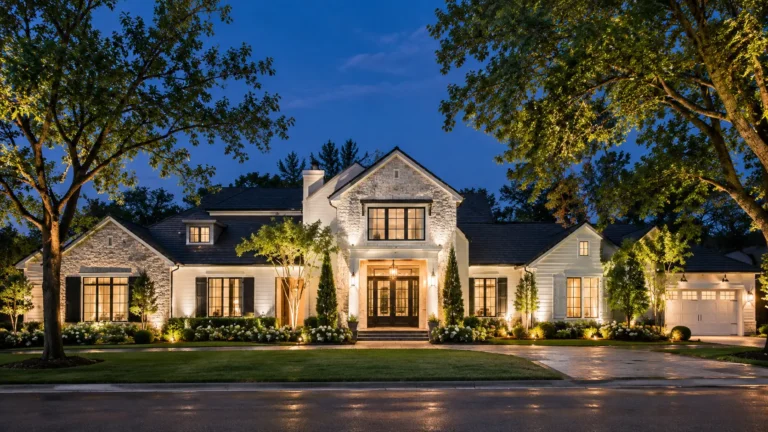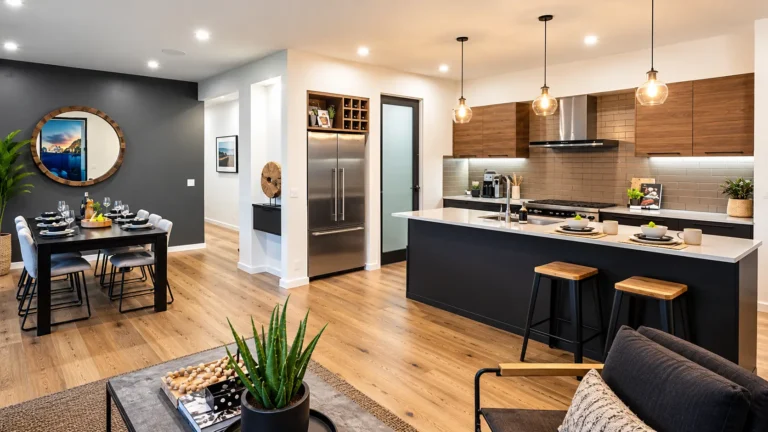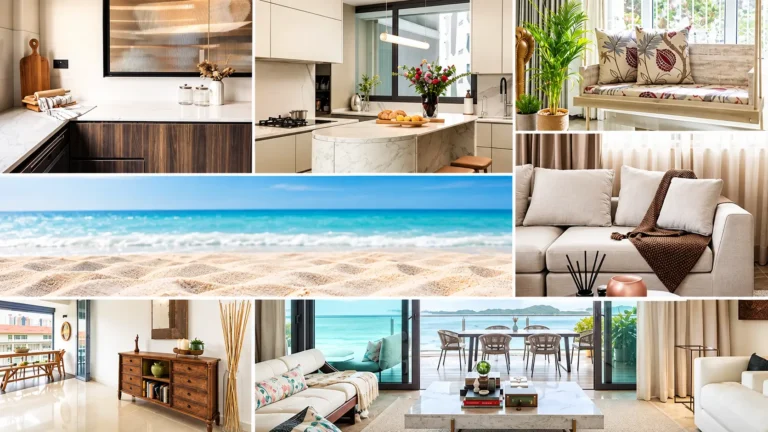
Real estate market evolution and the corresponding changes in home staging trends are a continuous cycle. They are constantly reenacting the aforementioned three aspects: buyer expectations, lifestyle changes, and design innovations. The Home Staging Trends of 2026 are centered on making spaces that are not only functional but also look personalized, neutral, and attractive in both offline and online views.
Sellers who are in the know and who put into practice these trends will surely reap the benefits of having a larger buyer pool and a higher property value. Our in-depth guide will take you through the major home staging trends, offer useful home staging tips, and analyze the influence of property staging trends on the presentation of homes in 2026.
1. Minimalist Yet Functional Spaces
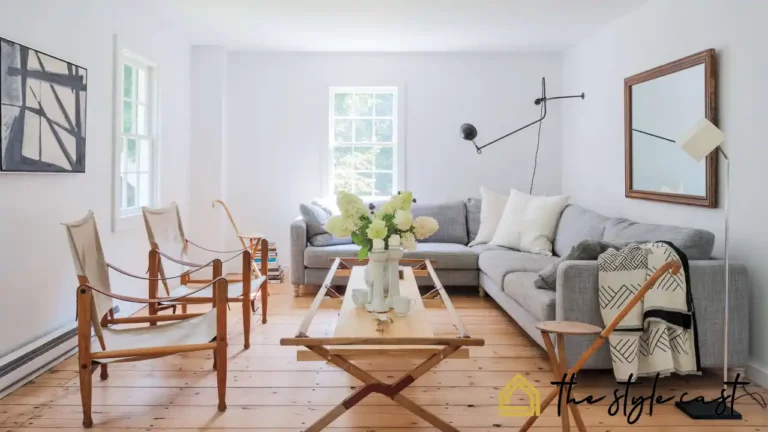
The trend that is anticipated to be the most prominent in home staging for 2026 is the creation of minimalist yet functional spaces. Buyers of today’s market are more and more interested in houses where they can easily envision their lives, and that means a lot of openness and no clutter. Less is more in home staging does not denote employing a bare minimum of elements in staging or concocting cold sterile environments having no personality. Rather it is the combination of ingenious furniture, decorations, and room layout settings that is able to highlight the best aspects of a property while at the same time keeping it cozy, stylish, and livable.
Key Elements of Minimalist Staging for 2026:
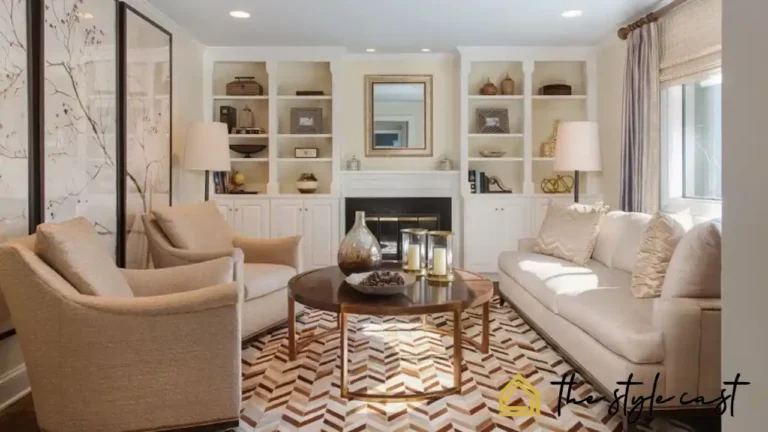
- Use of neutral colors and light tones: Aesthetic shades, like white, cream, soft grey, and muted pastels, are trending in home staging. Such colors can make rooms look bigger and lighter, and at the same time can act as a neutral base for buyers to think about their own furniture. It might be useful to connect this part to a blog post about [choosing the best color palette for property staging] for those readers who seek thorough guidance on paint and décor.
- Strategic furniture placement: The arrangement of the furniture is a key factor in contemporary property staging trends. The minimalist staging gives priority to the placement of the furniture in such a manner that it creates functional areas without resulting in a congested space. A couch, for instance, can be put to the side of the living area, and at the same time, the open walkways can still be passed through, and a basic dining table can mark the place for dining, still, the flow will not be blocked. Internal links to [home staging furniture arrangement tips] can be very helpful for the readers who are looking for practical suggestions.
- Removal of excess décor while keeping subtle accents: Common staging error is over-decoration of spaces. Staging of houses in a minimalist way promotes the utilization of a few decorative items, for example, a single statement art piece, a decorative vase, or a rug of good taste, to create interest without producing a mess. Gentle touches are applied to the main points in the house and photos taken for online listings become more attractive. Giving links to interior design resources like [HGTV’s minimal décor ideas] can create a flow of ideas for the readers.
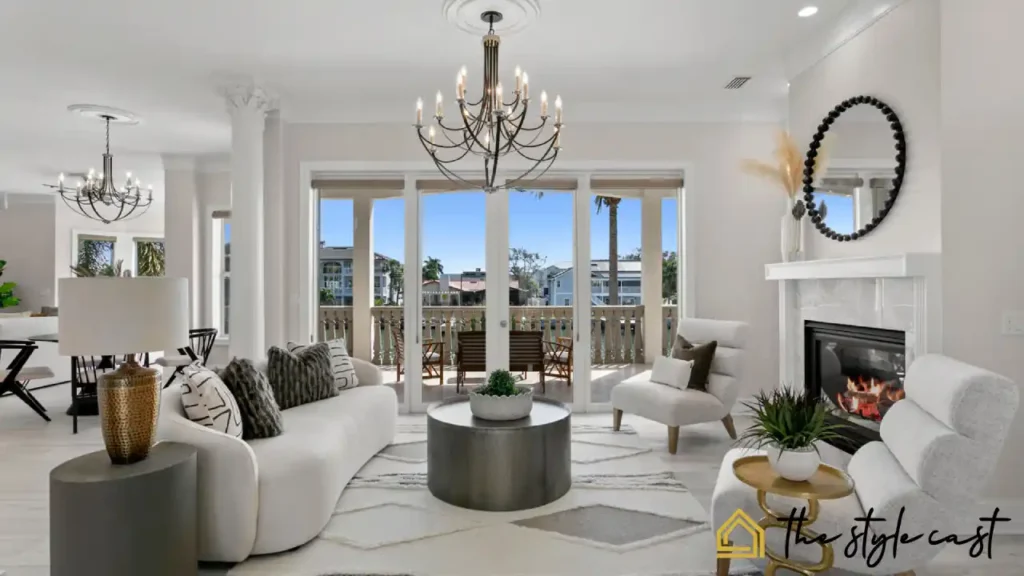
- Highlighting architectural features: Minimalist staging exhibits the natural charm of a property highlighting the high ceilings, big windows, built-in shelves, and fancy moulds as additional features. The home-staging trends in 2026 are all about showcasing these properties rather than covering them up with furniture and accessories. The opened-up, bright, and well-designed areas are the ones that the future buyers cannot resist, thus, an emotional bond formed and the value increased accordingly.
Why Minimalist Yet Functional Staging Works
Minimalist staging is a key trend because it balances simplicity with practicality. Buyers today are not just looking for a beautiful space—they want functional areas that can accommodate modern living, such as home offices, multi-functional living rooms, and well-defined storage solutions. By adopting this approach, sellers can:
- Maximize perceived space: Open rooms appear larger, more inviting, and easier to navigate.
- Create emotional appeal: Neutral, uncluttered spaces help buyers imagine their own lifestyle in the home.
- Enhance listing photography: Minimalist staging photographs well, which is crucial since most buyers first see a property online.
- Highlight property value: Strategic staging emphasizes high-quality features without overwhelming the buyer.
The adoption of a minimalist approach is now among the foremost home staging recommendations for 2026 as it is in line with the expectations of buyers and the modern design trends. Besides, it gives the sellers the option of choosing the presentation style, in case they are staging themselves or hiring a professional property staging service.
2. Sustainable and Eco-Friendly Home Staging
The era of sustainability has passed as no more than a lifestyle choice and has transformed into a significant factor for choosing real estate. This has led a new wave of eco-friendly home staging trends to surface as a key promise for the year 2026. The modern-day buyers are very much inclined towards buying homes that are responsible in terms of environment and are located in a sustainable area.
Staging with these aspects not only draws the attention of this buyer category that is gradually growing but also shows the house as being futuristic, trendy, and well-taken care of. Using eco-friendly products is not the only thing that sustainable staging relies upon, as it also implies presenting a united property by standards of the present era and providing a house with the maximum aesthetic appeal at the same time. By doing so, sellers can not only arouse the emotional and practical appeal of their property but also a cash-grabbing technique that soon will be one of the most powerful home stage trends for the year 2026 has begun.
Practical Tips for Sustainable Home Staging
- Incorporate energy-efficient lighting, appliances, and fixtures: Replacement of only the traditional light bulbs with LED lighting and the use of energy-efficient appliances in the kitchens and laundry areas are the main features of this upgrade. Although these changes are not miracle ones but in a way they do say to the potential buyers that the property will give long-term savings and is environmentally friendly, thus, improving the overall value of the property. Internal links to a guide on [energy-efficient home upgrades for staging] could provide added resources.
- Use furniture made from reclaimed or renewable materials: Tables, chairs, and shelves made from reclaimed wood or bamboo not just boast an appealing appearance but also speak of being eco-friendly. The era of 2026 is witnessing high-end and eco-friendly furniture selection as one of the main features of staging trends in real estate.
- Add live plants and greenery: Indoor plants are a very simple but powerful method to enhance the quality of air indoors, to introduce the nature indoors and to make spaces more welcoming and cozy. Creative arrangement of potted plants in areas where people live, cook, or enter is not only permissible but also encourages the trend of biophilic design which is one of the important factors in modern home staging. Providing a link to an article about biophilic design and indoor plants will not only serve as a resource for the readers but also inspire them to take action.
- Highlight eco-friendly upgrades: Solar panels, water-saving devices, dual-flush toilets, and low-flow showerheads are some modern features that buyers always look for. Home staging with minor signage or brochures displaying these upgrades can not only reinforce the property’s value but also underline its progressive nature at the same time.
Why Sustainable Staging Works
Incorporating sustainability into home staging for selling resonates on both practical and emotional levels. Buyers perceive eco-friendly homes as:
- Cost-effective in the long term: Energy-efficient appliances and lighting reduce utility costs.
- Healthy and comfortable: Natural materials and plants improve indoor air quality and overall well-being.
- Modern and responsible: Homes staged with sustainable elements align with current design and lifestyle expectations.
When property staging incorporates sustainability, sellers are able to present their house as a modern and eco-friendly option which is a major difference in selling houses in competitive markets. This practice has become one of the most influential home staging tips for 2026, giving the property both marketability and buyer engagement.
3. Technology-Integrated Staging
One of the most changing home staging trends for 2026 is the technology-integrated staging. When smart homes are selling rapidly, buyers expect that the properties to be shown in a way that they have the modern standards of living, convenience and connectivity. Technology in home staging is not merely the use of eye-catching gizmos but it actually showcases how a house can fulfill the functional, practical, and lifestyle needs of the modern buyer. The integration of technology into the property staging highly increases the perceived value of the house and makes it attractive to the technologically savvy crowd.
Key Home Staging Tips for Technology Integration
- Highlight smart thermostats, lighting, and security systems: Buyers will get more and more attracted to energy-efficient, smart appliances that offer more comfort and security. Make sure the home-staging process highlights and illustrates these traits very clearly, where possible, such as by discreet displays, pamphlets or by doing live demonstrations during the viewings.
- Demonstrate built-in charging stations and tech-ready spaces: A growing number of people are using the home office and multiple devices, and therefore, the buyers are increasingly looking for houses that can accommodate future technology. Besides, the staging of desks, media centers, and kitchen islands with easy-to-reach power outlets or integrated USB charging stations demonstrates not only convenience but also the need for functionality.
- Use virtual staging tools: In case of unoccupied or partly equipped houses, [virtual staging] can visually present almost anything from normal furniture to designer items and even upgrades. This tip appears to be one of the strongest ones related to home staging for online listings, since it helps buyers imagine future arrangements and their own taste in interior design without actually investing in real furniture. Internal linking to [virtual home staging guides] can assist the readers by offering them methods of practical implementation.
- Offer video walkthroughs or 3D tours: Typically, buyers start looking for houses online, and that is why video tours or 3D walkthroughs made by professionals play a big role in attracting the audience. Moreover, using technology for very elaborate and creative display of the property not only helps reveal the interior layout but also gives the chance for the buyers to create a mental bond with the house even before they actually coming to see it.
Why Technology-Integrated Staging Works
Integrating technology into home staging for selling addresses the expectations of modern buyers and creates measurable advantages:
- Enhanced buyer engagement: Interactive features like 3D tours or smart devices make listings more appealing and memorable.
- Perceived modernity and value: Homes equipped with technology appear well-maintained, forward-thinking, and worth a higher asking price.
- Better online presentation: Virtual staging and high-tech demonstrations enhance listing photography, increasing clicks, inquiries, and ultimately showings.
- Adaptation to buyer lifestyles: By showcasing a home that accommodates remote work, smart security, and connected living, sellers meet the practical and emotional needs of today’s market.
4. Multi-Functional Rooms
A big trend in home staging that will be noticeable in 2026 is the widely accepted use of multi-functional rooms. In this case, the new normal with remote work most importantly, and also hybrid lifestyles as well as flexible living arrangements, has made it so buyers are looking for houses that can transform for different purposes and at the same time be stylish, comfy, and with a good flow.
The new-age buyer wants to have their space to be amicably of the different uses—practical, versatile and up to the task of work, relaxation, fitness, or study—all under one roof. Multi-functional spaces have now become a major factor in property staging trends, as they highlight the house versatility and real-world usability. If these rooms are staged the right way, they can attract a larger audience, hence, adding both emotional and practical value.
How to Stage Multi-Functional Rooms
- Designate adaptable spaces: Designate areas that are capable of serving different functions like a study, a gym, a guest room, or an office. A single room can be showcased creatively to highlight its capability. Take, for instance, a spare bedroom that is set up with a desk, a foldable chair, and a compact storage unit which can indicate the dual use of an office for home working and a cozy guest room. Internal links to [home office staging tips] or [flexible room design ideas] can provide additional guidance.
- Use modular or convertible furniture: Flexible furniture solutions like sofa beds, foldable desks, stackable chairs, and expandable dining tables are capable of maximizing functionality and at the same time, keeping the space tidy. Modular furniture is not only chic but also a contemporary home staging trick that indicates reliability to possible clients.
- Keep décor neutral and minimal: Rooms decorated in neutral colors, featuring simple wall art, and having just a few accessories give an impression of being large and versatile. On the other hand, if a room is heavily decorated or has bold colors, it will not only make the room look overused but also will give a feeling of being restricted. Neutrality is such that it gives the buyers a chance to visualize their own lifestyle and furniture arrangement, which is one of the main objectives of home staging for sale.
- Highlight smart storage solutions: Multi-functional rooms, therefore, must showcase a lifestyle based on organization and cleanliness. The effective use of build-in shelves, modular cabinets, under-bed storage, and hidden compartments is a good enough illustration that the space can stay both functional and neat. The flow not only gets better but so does the perceived value of the property in the market with proper storage staging that is in accordance with the current property staging trends.
Why Multi-Functional Rooms Are a Key Home Staging Trend
Multi-functional spaces are increasingly prioritized in home staging trends because they address the real needs of today’s buyers:
- Flexibility for modern lifestyles: Buyers value homes that can support both work and leisure activities without requiring additional remodeling.
- Wider market appeal: A versatile space attracts families, professionals, and remote workers alike, increasing buyer interest.
- Perceived value and functionality: Multi-purpose rooms make the home feel larger, more practical, and worth a higher asking price.
- Better online presentation: Multi-functional rooms photograph well and look modern and organized, which enhances the property’s appeal in online listings.
5. Biophilic Design and Natural Elements
One of the very significant home staging trends of 2026 is the combining of biophilic design and natural elements. Biophilic design is the method of connecting indoor places with outdoors and has become the main focus in property staging trends due to its effects on comfort, emotional connection, and overall well-being being so positive. Today’s buyers are looking not only for a practical home but also for a house which has a friendly atmosphere, is healthy and has a healing effect. The use of nature in home staging increases not only the visual attractiveness but also the emotional experience of the buyer, thus making the property more sought after.
Key Home Staging Tips for Biophilic Design
- Add live plants, potted greenery, or indoor trees: Indoor plants are not only one of the easiest but also one of the most effective ways to bring nature into staging. The placement of an appropriate number of plants in living rooms, kitchens, or even entryways gives a feeling of cleanliness, liveliness, and just nature. Sellers, for instance, a few potted plants or even just one big tree can really improve the aesthetics and the worth of a property. A link to the guide in the text about [plants for home staging] can assist the readers to select the best greenery.
- Use natural materials in furniture and décor: Wood, stone, bamboo, rattan, and other organic materials are gaining more and more acceptance in home staging trends. By using natural textures in furniture, shelving, flooring, or decor items, the place is made to feel cozy and genuine. To illustrate, a reclaimed wood dining table or a bamboo accent chair can be both a functional item and a visually attractive point.
- Maximize natural light: Light is a fundamental element in the biophilic design concept. By opening up curtains and blinds and using reflective materials like mirrors and glass furniture, natural light can be enhanced, giving the room a larger, lighter, and more outdoor-connected feeling. This one change also helps in taking better pictures, which is an important factor in contemporary home staging for selling purposes, as well.
- Incorporate nature-themed artwork or textures: Along with that, the use of landscape paintings, botanical prints, or natural patterns through textured fabrics are some of the subtle touches which can strengthen the bond with nature. Besides, these accents contribute to the overall beauty by adding interest without making the spaces look crowded, which is in agreement with minimalist home staging suggestion perfectly.
Why Biophilic Design Works in Home Staging
Integrating natural elements into property staging provides both practical and psychological benefits that resonate with modern buyers:
- Emotional connection: Natural elements create a calming, restorative atmosphere, helping buyers feel at home immediately.
- Health and well-being: Indoor plants improve air quality and create a sense of vitality, which is increasingly valued by buyers in 2026.
- Enhanced visual appeal: Nature-inspired textures, materials, and greenery add depth and warmth to minimalist layouts, making spaces feel more inviting.
- Competitive differentiation: Homes incorporating biophilic design stand out in listings, especially when paired with professional home staging photography.
6. Bold Accents in a Neutral Setting
The home staging trends for the year 2026 are still ruled by minimalism but one of the most striking ways to infuse character and an eye-catching look is through the use of accents in the neutral setting. Contemporary buyers prefer spaces that are clean and uncluttered, yet lively and engaging. A few carefully chosen accent pieces let sellers create a focal point, draw attention to the design features and even improve the overall aesthetic without the room looking overcrowded.
In 2026, property staging trends focus on balance: the house should be modern, chic, and aspirational, but at the same time, it should still have a wide appeal to different buyer groups. Bold accents are responsible for this, as they bring in color, texture, and visual interest in such a way that it perfectly fits and enhances the minimalist or neutral backgrounds.
Tips for Using Bold Accents Effectively
- Add vibrant cushions, throws, or rugs to neutral furniture: A sofa or bedspread in a neutral tone is nothing less than a blank canvas for vivid hues. Adding bright cushions, patterned throws, or colorful rugs in a well-thought-out manner highlights the seating or floor areas and at the same time, it does not create any mess. Internal links to [home décor ideas for staged living rooms] can help the readers in choosing the right accents.
- Highlight architectural features with accent lighting or art pieces: Employ bold artwork, wall-mounted sculptures, or spotlighting to attract the viewer’s eye to fireplaces, built-in shelves, or feature walls. This is in accordance with the present-day home staging tips that suggest highlighting a house’s strengths while maintaining a minimal overall aesthetic.
- Choose one statement piece per room rather than multiple competing elements: It is necessary to keep the area uncluttered with an excess of bold items. A solitary statement piece—such as an artistic chair, a colorful coffee table, or a distinct lamp—will hold the attention and at the same time provide the visual balance.
- Keep wall colors soft and neutral: Walls painted in neutral colors are the best background for accent pieces. Cream, beige, soft grey, or pale taupe shades let the colorful items to be seen easily and the whole area to sound up, be seductive and let the buyers picture their own home style without any difficulty.
Why Bold Accents Are a Key Home Staging Trend
Incorporating bold accents in a neutral setting works for several reasons:
- Adds personality without overwhelming: Buyers get a sense of style without feeling restricted or distracted.
- Draws attention to key features: Accent items can guide the buyer’s eye to focal points such as architectural details, furniture layout, or high-value features.
- Enhances photography for listings: Vibrant accents create contrast in photos, making online listings more visually appealing and increasing click-through rates.
- Balances minimalism with warmth: Accents prevent the space from feeling sterile or impersonal while maintaining modern elegance, one of the strongest home staging trends for 2026.
7. Online-Optimized Staging
One of the most important home staging trends in 2026 will be online-optimized staging. First impressions have become more important than ever as practically all the property buyers are looking for their new homes on the net first, thus buyers are not even walking into the property before having a look at it through a screen. Properly staged houses for picture taking, virtual tours, and different online listings can be a great increase in interest, more inquiries, and ultimately quicker sales at higher prices. Property staging now encompasses not only the physical aspect but also the digital visibility, thus making it one of the key factors in modern home staging tips.
Key Online-Optimized Staging Tips
- Use bright, airy setups for photographs and video walkthroughs: Natural light, shades of neutral colors, and minimalistic areas produce pictures that convey a sense of warmth and roominess. Those who are looking for houses to buy on the internet will be attracted to those that are depicted as being full of light, clean, and hospitable. Besides, light configurations will make architectural aspects more visible, and this conforms to the recent home staging fashions.
- Ensure furniture placement highlights space and flow in photos: Furniture repositioning even in the smallest amounts can make a huge difference in how big and functional the room looks in photos. It is advisable to set up the seating, tables, and storage in such a way that the paths are unobstructed and the points of interest, e.g., fireplaces or large windows, are highlighted. Internal links to [furniture placement tips for home staging] can be a source of help for sellers to create maximum visual impact.
- Avoid personal items that distract from the property’s features: Neutral, depersonalized spaces are a big plus for online listings. Baby pictures, collectibles, or personally styled furnishings may turn off the house’s attraction and block the buyers’ projecting themselves into the place. Neutral spaces always win in virtual presentations and are in accordance with the property staging trends in a very good manner.
- Consider virtual staging for vacant rooms: An ample or scarcely furnished house can be transformed into a stunning display of possible surfaces, furniture layouts, and ornaments through virtual staging which comes at a lower price compared to the traditional staging. This process gives the customers a clear vision of what the house could be like without the need for complete physical setup, hence, it becoming one of the most progressive home staging tactics for online exposure.
Why Online-Optimized Staging Works
Investing in online-optimized staging is crucial because digital impressions now drive the buyer journey:
- Increases online engagement: Professionally staged photos and videos attract more views, clicks, and inquiries.
- Boosts perceived value: Homes that look move-in ready online are perceived as higher quality and more desirable.
- Improves foot traffic for inspections: Effective online presentation encourages serious buyers to schedule showings, increasing competition.
- Supports modern buyer expectations: Tech-savvy buyers expect immersive experiences, including high-quality images, virtual staging, and 3D walkthroughs.
8. Comfort and Lifestyle Presentation
Selling through home staging that creates liveable environments is one of the most attractive trends for 2026. The modern buyer has increased expectations and is not willing to settle for just viewing empty rooms or typical spaces—they need to visualize living, chilling, and having fun in the house. This method of home staging concentrates on open spaces that are never the same, where every viewer gets the biggest emotional connection to the property as they are virtually the same as the viewer. Therefore, lifestyle-oriented staging is not only attractive but also an intelligent move to win over buyers and get higher bids.
How to Stage for Lifestyle
- Create cozy living areas with layered lighting and inviting seating: Soft and warm illumination together with soft couches, cushions, and blankets make the buyers imagine the feeling and state of mind of comfort and relaxation. The use of different layers of lighting, such as floor lamps, table lamps, and overhead lights, not only increases the visual impact of the room but also brings out its good points and adds a sense of warmth to it. Internal links to [home staging lighting tips] can inform sellers about the best possible ambiance.
- Stage outdoor areas for leisure and entertaining: In 2026, one of the major trends in property staging will be highlighting outdoor spaces, as buyers are more and more often looking for multifunctional areas. Just by simply putting some comfortable chairs, little tables, and some simple decorations on the balconies, patios, or backyards, the whole space can be transformed into a cozy or sociable setting.
- Highlight kitchen functionality: The kitchen is frequently regarded as the central point of the household. It can be adorned with simple but classy layouts, implying frequent use of the area, and still, keep the space clean and welcoming through a properly arranged fruit bowl, chic cutlery, or a coffee area.
- Use subtle lifestyle props: Little things, such as a pile of books, a candle with a pleasant smell, or a perfectly organized coffee station, can give the place a cozy atmosphere and a sense of living without making it look messy. The use of these items tells a story that potential buyers may identify with emotionally, thus turning the house into a practical option for a specific lifestyle rather than just a piece of real estate.
Why Comfort and Lifestyle Presentation Works
Lifestyle-focused property staging effectively bridges the gap between buyer imagination and the reality of living in the space:
- Enhances emotional connection: Buyers are more likely to submit strong offers when they can picture themselves enjoying daily life in the home.
- Increases perceived value: Homes that feel warm, functional, and inviting appear more move-in ready, which can justify higher asking prices.
- Supports online and offline marketing: Lifestyle staging photographs exceptionally well, improving listing performance and encouraging in-person showings.
- Aligns with modern buyer expectations: Today’s buyers seek a combination of functionality, comfort, and style—elements that lifestyle-focused staging highlights naturally.
Conclusion: Embracing 2026 Home Staging Trends
The standards for house staging in 2026 are literally nothing but the yin and yang, the art of war, and the attractivity of the buyer. The buyers of today want a worshipping that is both open and cozy, minimal and functional, and stylish and practical all at once. Following the home staging trends, the homeowners will be able to make their properties more attractive, develop a link with the buyers’ hearts, and be the first in the line in the wrestling of the real state market.
Some of the key takeaways from the top property staging trends include:
- Minimalist yet functional layouts: Open, uncluttered spaces with carefully chosen furniture allow buyers to visualize their lifestyle while highlighting the home’s strengths.
- Sustainable and eco-friendly elements: Incorporating natural materials, energy-efficient appliances, and live greenery appeals to modern, environmentally conscious buyers.
- Multi-functional rooms: Spaces that adapt to work, study, fitness, or relaxation demonstrate versatility and real-world usability.
- Biophilic design: Nature-inspired elements, including natural light, wood textures, and indoor plants, increase comfort, well-being, and emotional engagement.
- Technology integration: Smart home features, virtual staging, and online-optimized presentation enhance convenience and attract tech-savvy buyers.
- Bold accents in neutral settings: Strategic pops of color or statement pieces create visual interest while maintaining broad appeal.
- Comfort and lifestyle presentation: Lifestyle-focused staging, from cozy living areas to inviting kitchens and outdoor spaces, helps buyers imagine daily life in the home.
By the application of these home staging tips, be it DIY methods or professional property staging services, the sellers are able to raise the perceived value of their property considerably. Contemporary home staging practices are no longer simply about looks—they are about the creation of a scenario that wins the buyers over emotionally, functionally, and visually. The money spent on smart home staging for selling will not only take care of the looks of your property but also improve its market performance.
It is more likely that the properties staged according to the 2026 trends will sell quickly, receive several offers, and be priced higher. In the real estate market today, where competition is fierce, being aware of and making use of the home staging trends has turned from being an an option to a decisive tool for successful property sales.